Custom Metal Fabrication for Industrial Projects: What You Need to Know


Custom metal fabrication is a critical component of many industrial projects, offering tailored solutions to meet specific needs. From constructing large-scale infrastructure to creating intricate parts for machinery, understanding the nuances of custom metal fabrication can significantly enhance project outcomes.
One of the primary advantages of custom metal fabrication is its ability to produce precise, high-quality components that are designed to fit the unique specifications of a project. This ensures that every piece not only meets industry standards but also aligns perfectly with the project's requirements.
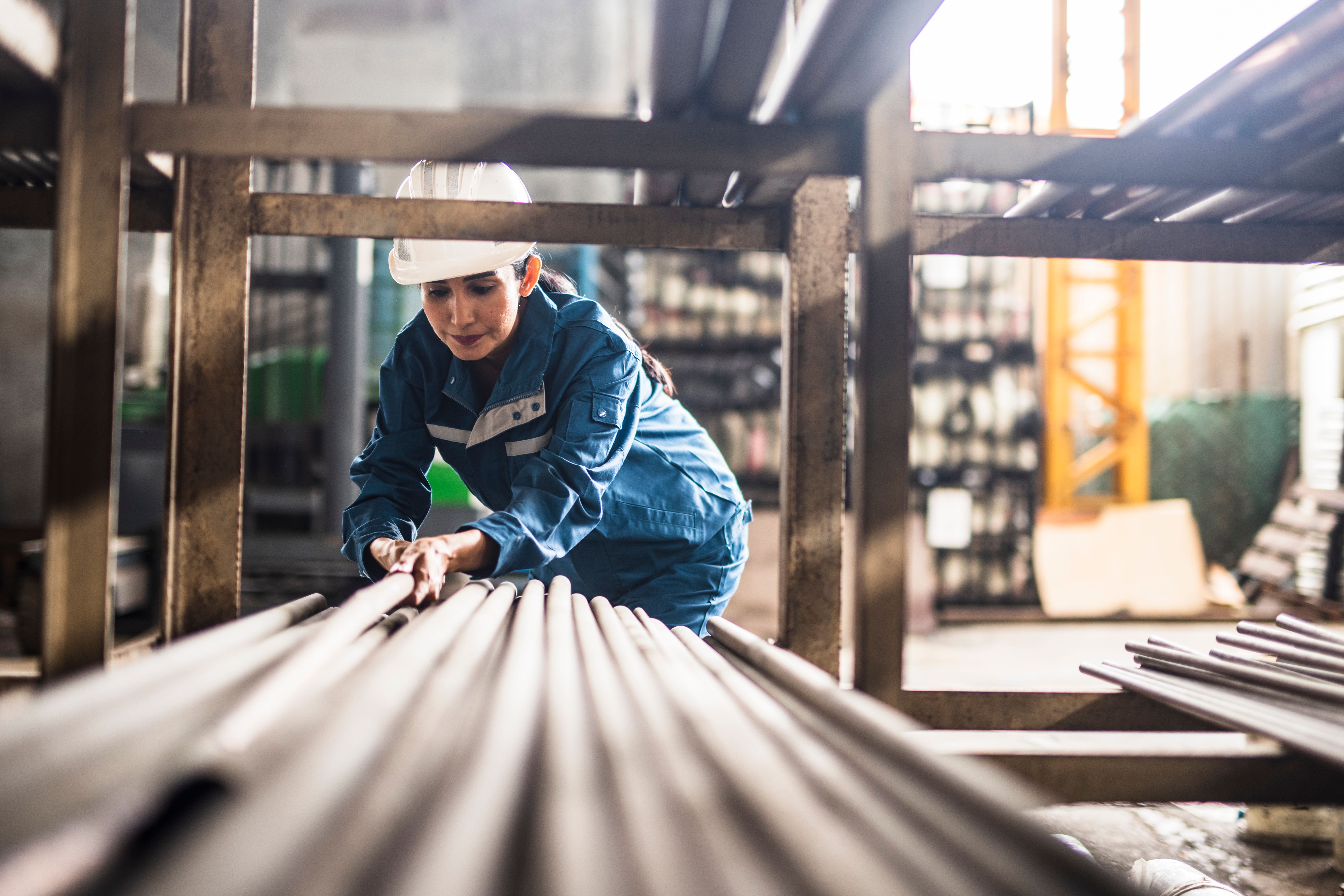
Understanding the Process
The custom metal fabrication process involves several key stages, including design, cutting, forming, welding, and finishing. Each step plays a vital role in ensuring that the final product is both functional and aesthetically pleasing.
Design and Engineering
The design phase is crucial, as it sets the foundation for the entire project. Advanced software tools are often used to create detailed blueprints and 3D models, allowing for precise planning and adjustments before any physical work begins.

Cutting and Forming
Once the design is finalized, the next steps involve cutting and forming the metal. Techniques such as laser cutting, plasma cutting, and water jet cutting are commonly used to achieve accurate cuts. Forming processes like bending and stamping then shape the metal into the desired configuration.
Materials and Techniques
Various materials are used in custom metal fabrication, each offering distinct advantages. Common metals include steel, aluminum, and copper, each chosen based on factors like strength, weight, and resistance to corrosion.
Welding and Assembly
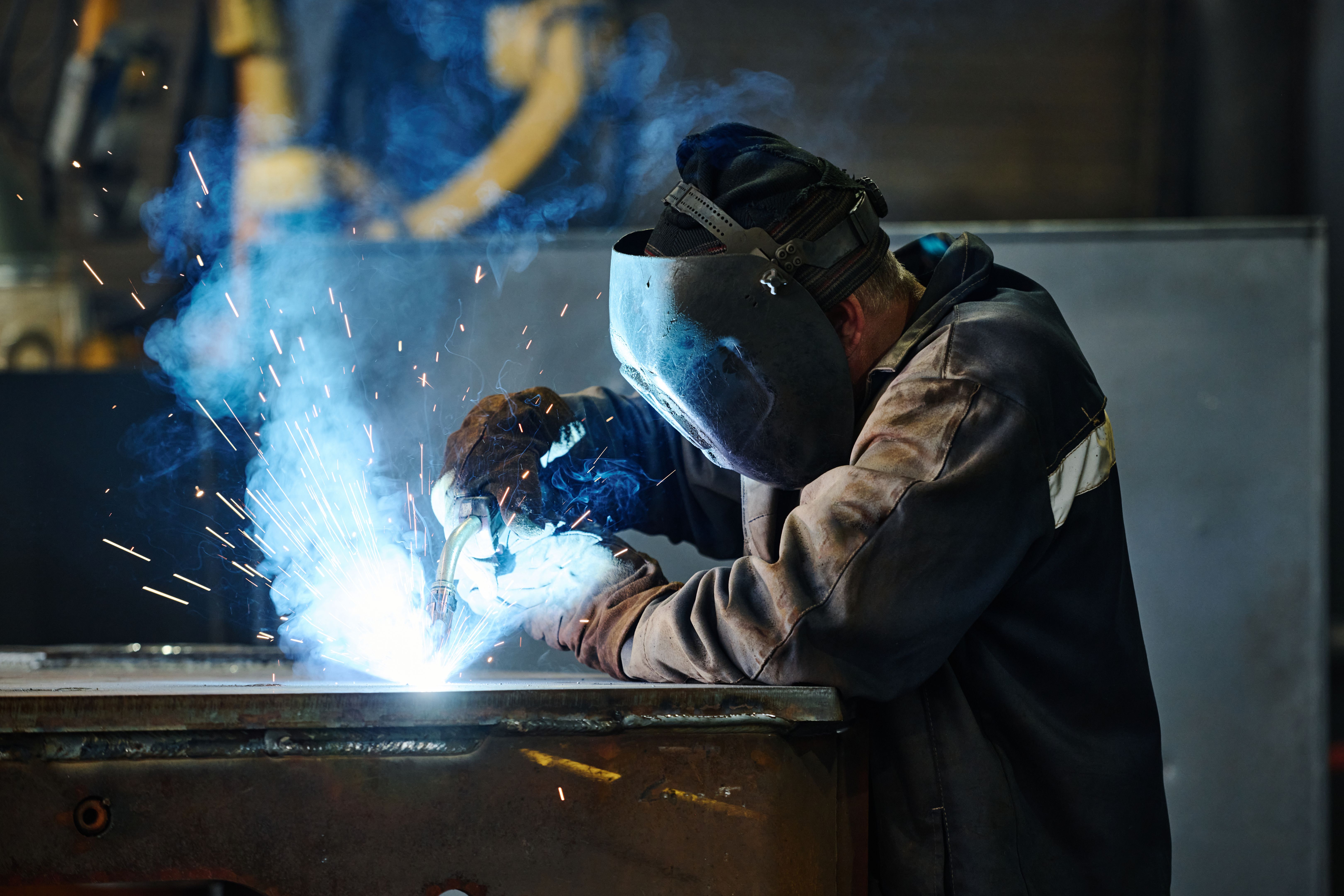
Welding is a critical step in custom metal fabrication, ensuring that different components are securely joined. Various welding techniques, such as MIG and TIG welding, are employed based on the material and project requirements.
Finishing and Quality Control
The finishing stage involves processes like painting, coating, and surface treatments to enhance durability and appearance. Quality control measures are implemented throughout the fabrication process to ensure that the final product meets all specifications and standards.
Choosing the Right Fabrication Partner
When selecting a custom metal fabrication partner, it's important to consider their experience, capabilities, and track record. A reliable partner will provide not only expert craftsmanship but also valuable insights and support throughout the project.
By understanding the intricacies of custom metal fabrication and choosing the right partner, you can ensure that your industrial projects are executed with precision and efficiency, ultimately leading to superior results.