Expert Insights: Innovations in Structural Fabrication Technology


Introduction to Structural Fabrication Technology
The landscape of structural fabrication technology is rapidly evolving, bringing forth innovations that are reshaping the industry. From advanced materials to cutting-edge techniques, these developments are enhancing efficiency, sustainability, and precision. This blog post delves into the latest trends and expert insights into these groundbreaking advancements.
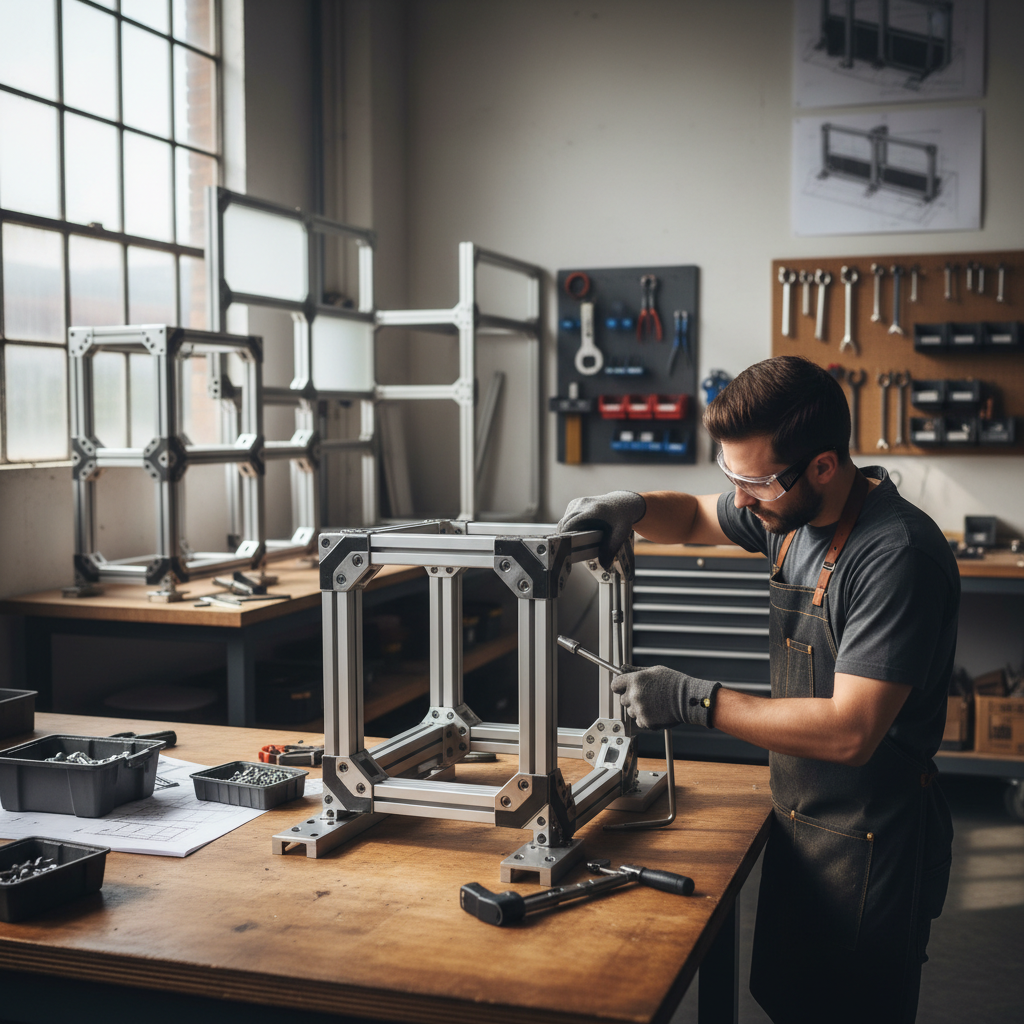
Advanced Materials in Fabrication
One of the most significant innovations in structural fabrication is the use of advanced materials. High-strength alloys, composites, and smart materials are at the forefront, offering enhanced durability and reduced weight. These materials not only improve the structural integrity but also contribute to sustainability by minimizing waste and energy consumption.
Experts are particularly excited about the potential of 3D-printed materials. This technology allows for customized design solutions that are both cost-effective and faster to produce. As a result, it is revolutionizing the way fabricators approach complex projects.
Automation and Robotics
The integration of automation and robotics is another pivotal development in structural fabrication. Robotics systems are now capable of performing tasks that were once labor-intensive, reducing human error and increasing productivity. Automated welding, cutting, and assembly are just a few examples of how this technology is being applied.
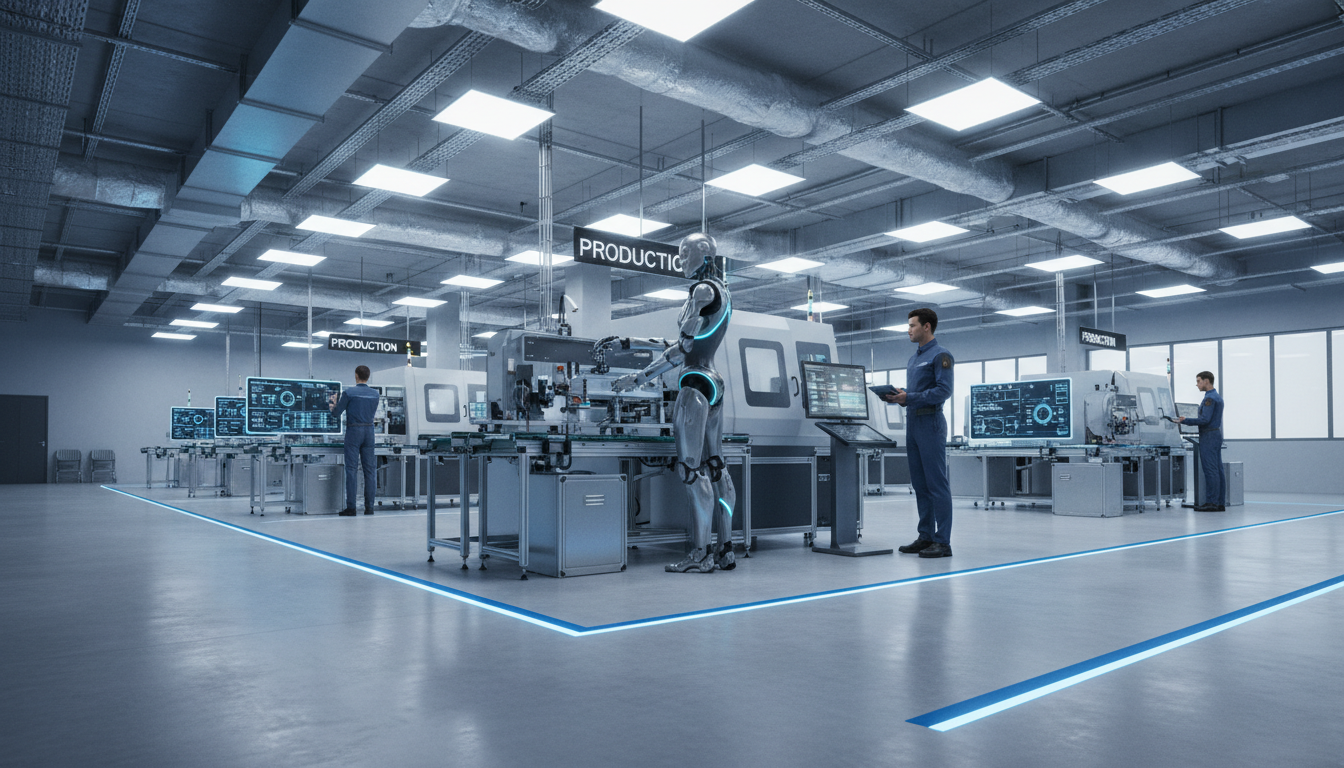
Furthermore, the use of artificial intelligence in controlling these robotic systems ensures precision and adaptability in real-time, allowing for seamless adjustments during the fabrication process. This shift not only enhances efficiency but also ensures consistent quality across projects.
Digital Design and Simulation
Digital design tools and simulation software are transforming the way engineers and fabricators plan and execute projects. With the ability to create detailed 3D models, professionals can anticipate potential issues before they arise, saving both time and resources.
- Building Information Modeling (BIM): Enables collaborative project management and detailed visualization.
- Finite Element Analysis (FEA): Provides insights into structural performance under various conditions.

These tools not only streamline the design process but also enhance accuracy, ensuring that the final product meets all specifications and standards.
Sustainability and Environmental Impact
As sustainability becomes increasingly important, structural fabrication technology is adapting to meet these demands. Innovations such as energy-efficient machinery and low-emission manufacturing processes are being prioritized. Fabricators are also exploring the use of recycled materials to minimize environmental impact.
These strategies not only benefit the environment but also offer economic advantages by reducing costs associated with waste management and energy consumption.
Conclusion: The Future of Structural Fabrication
As we look to the future, the continued evolution of structural fabrication technology promises to bring even more exciting changes. From enhanced automation to sustainable practices, the industry is poised to tackle the challenges of tomorrow with innovative solutions.
By staying informed about these trends, professionals in the field can leverage these technologies to deliver superior results, ultimately driving progress in construction and manufacturing industries.