Expert Insights: Overcoming Common Challenges in Metal Fabrication


Understanding the Metal Fabrication Landscape
Metal fabrication is an intricate process involving the transformation of raw materials into functional products. The industry is dynamic, with a constant demand for precision, efficiency, and innovation. However, fabricators often face several challenges that can impact productivity and quality.
Material Selection Challenges
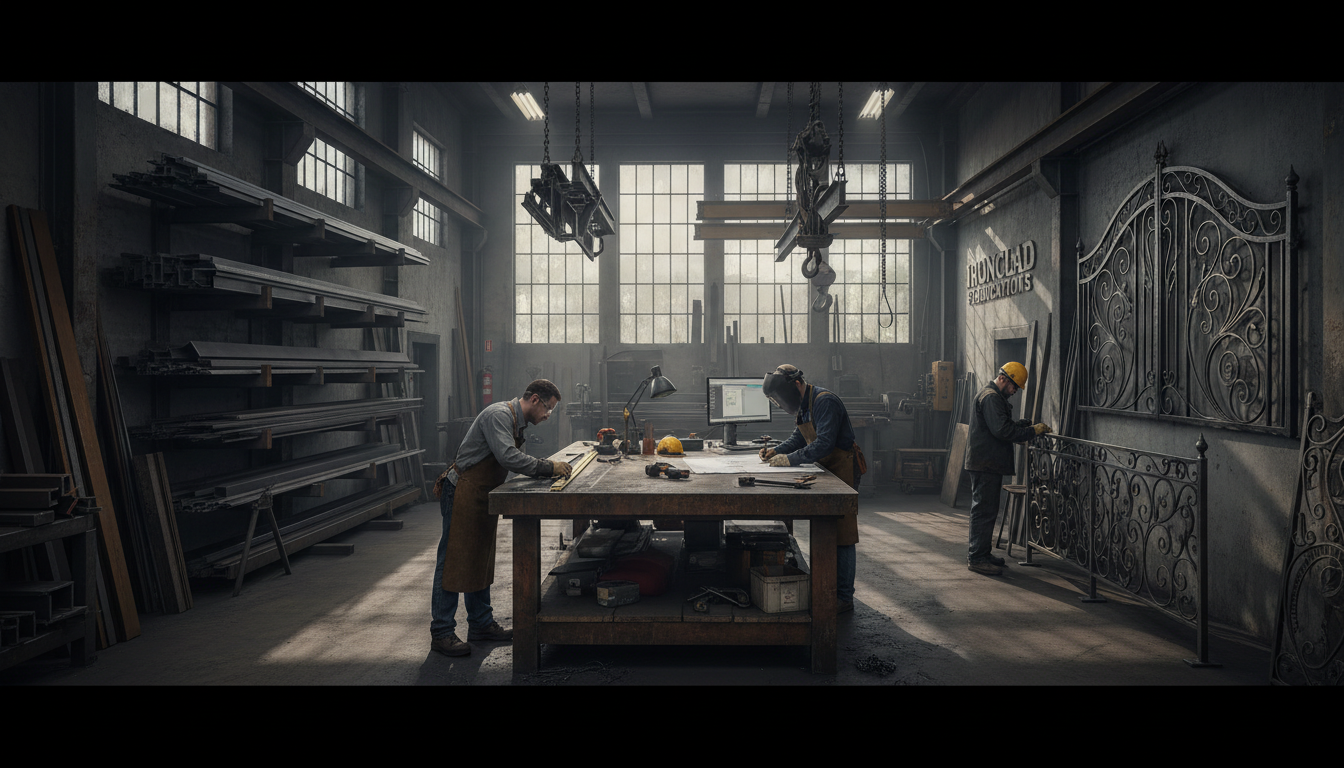
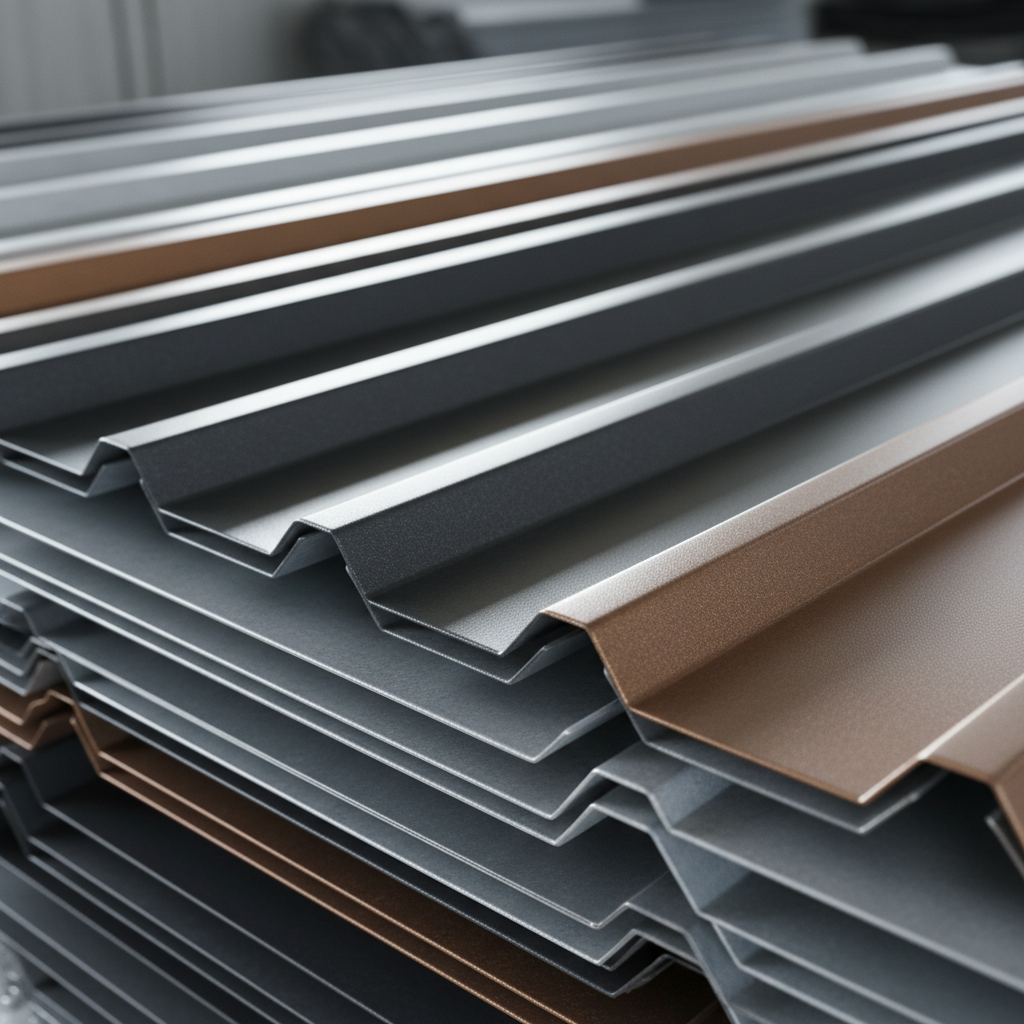
One of the primary hurdles in metal fabrication is selecting the right materials. The choice of metal can significantly affect the strength, durability, and cost of the final product. Fabricators must consider factors like corrosion resistance, weight, and conductivity when making decisions.
Balancing Cost and Quality
While high-quality materials lead to superior products, they can also be expensive. Fabricators need to strike a balance between cost and quality to maintain profitability without compromising on performance. This often requires a deep understanding of material properties and market trends.
Ensuring Precision in Fabrication
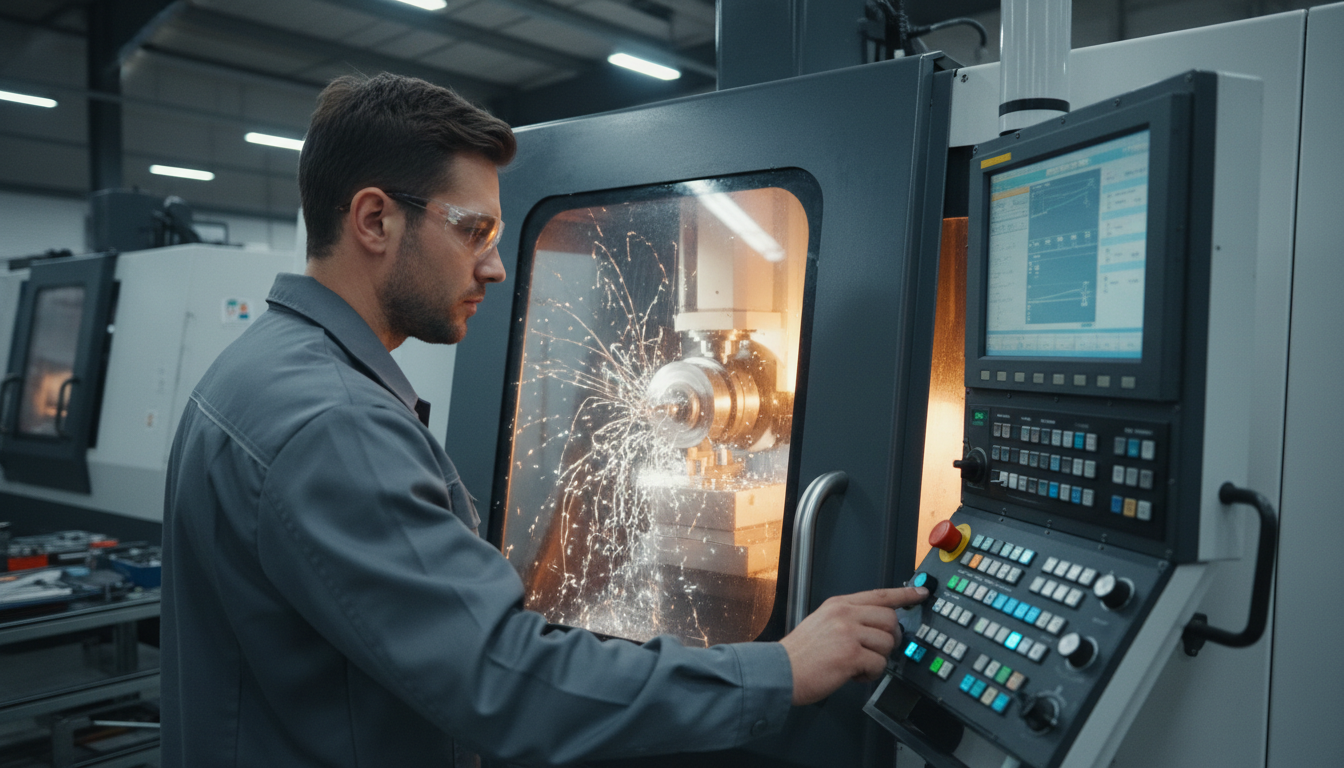
Precision is crucial in metal fabrication to ensure the parts fit together seamlessly and function as intended. Achieving high precision involves sophisticated machinery and skilled operators. Even minor deviations can result in significant issues down the line.
Adopting Advanced Technology
To overcome precision challenges, many fabricators are turning to advanced technologies such as CNC machines and laser cutting tools. These technologies enable more accurate and efficient production processes, reducing waste and errors.
Dealing with Skilled Labor Shortages
The metal fabrication industry is currently experiencing a shortage of skilled labor. As experienced workers retire, there is a growing gap that is not being filled quickly enough by new entrants. This shortage can lead to delays and increased costs.
Investing in Training and Development
To address this issue, companies need to invest in comprehensive training and development programs. By equipping new workers with the necessary skills, fabricators can ensure a steady flow of talent to meet industry demands.
Handling Environmental and Safety Regulations
Metal fabrication processes often involve hazardous materials and emissions. Compliance with environmental and safety regulations is essential to protect workers and the environment. Navigating these regulations can be complex and time-consuming.
Implementing Sustainable Practices
Adopting sustainable practices not only helps in meeting regulatory requirements but also enhances a company's reputation. This includes using eco-friendly materials, recycling waste, and improving energy efficiency in operations.
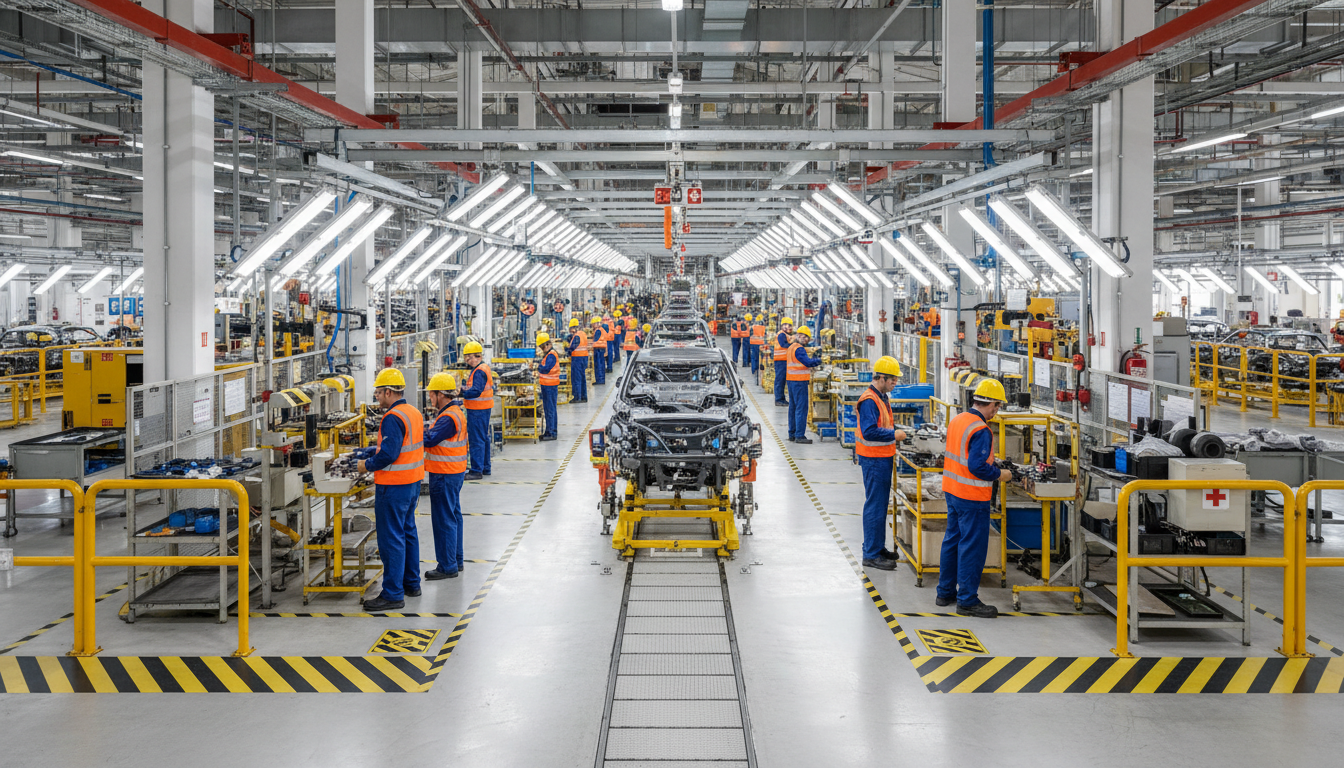
By understanding and addressing these common challenges, metal fabricators can improve their processes and outcomes. Embracing innovation, investing in workforce development, and adhering to regulations are key steps to success in this evolving industry.