Expert Insights: The Future of Structural Fabrication in California


Understanding the Current Landscape
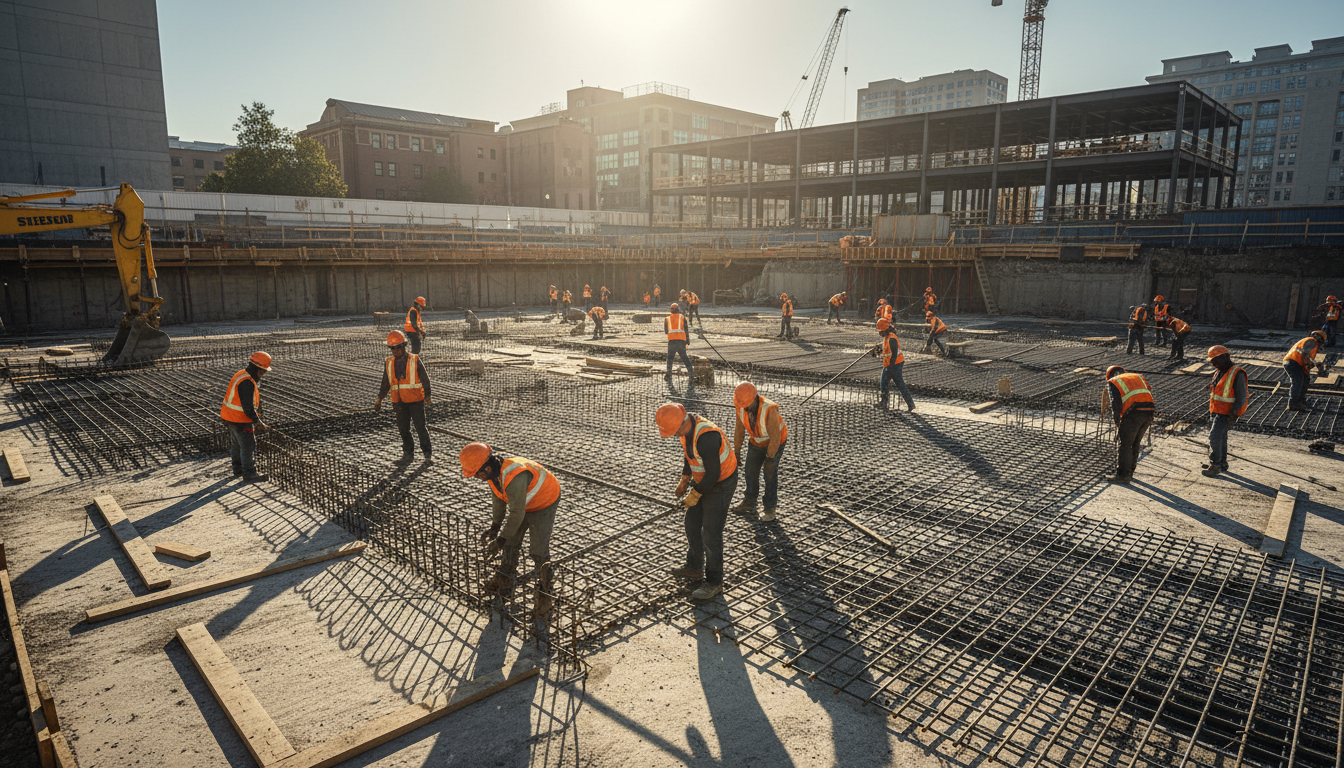
The structural fabrication industry in California is undergoing significant changes driven by technological advancements, environmental concerns, and evolving market demands. As a key player in the construction sector, structural fabrication involves creating components that provide strength and stability to buildings, bridges, and other infrastructures. Understanding the current landscape is crucial for anticipating future trends.
California, known for its innovative spirit, is at the forefront of adopting new technologies in structural fabrication. Companies are increasingly leveraging automation and robotics to enhance precision and efficiency. This shift not only reduces labor costs but also minimizes human error, leading to higher quality outputs.
Technological Innovations Driving Change
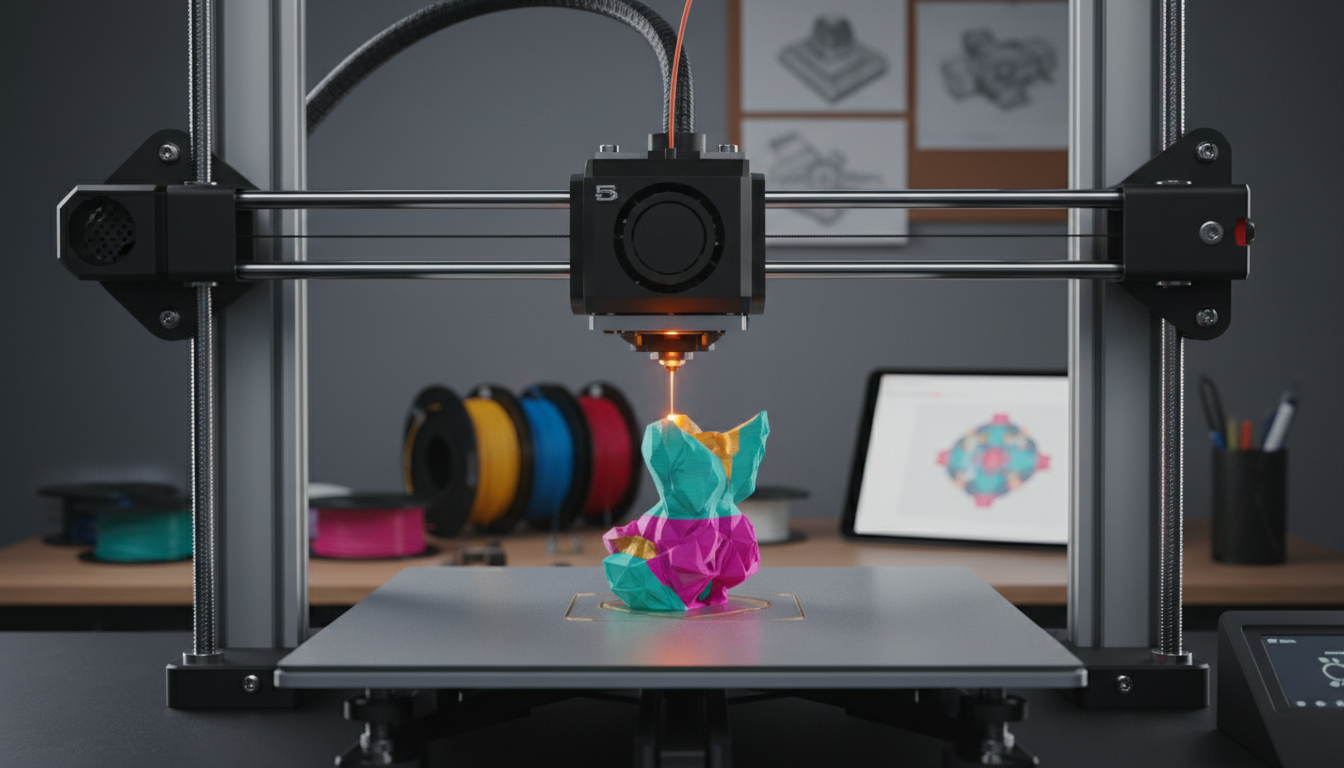
One of the most exciting developments in structural fabrication is the integration of 3D printing. This technology allows for the creation of complex structures with less material waste and more design flexibility. As 3D printing technology continues to evolve, it is expected to revolutionize how fabrication projects are approached and executed.
Additionally, the use of Building Information Modeling (BIM) is becoming more prevalent. BIM provides a digital representation of the physical and functional characteristics of a facility, enabling better collaboration and decision-making among stakeholders. This technology is helping streamline project timelines and reduce costs.
Sustainability and Environmental Impact
Environmental considerations are increasingly influencing the structural fabrication industry. With California's commitment to reducing carbon emissions, fabricators are exploring sustainable materials and practices. The use of recycled steel and other eco-friendly materials is gaining momentum, aligning with the state's environmental goals.
Moreover, there is a growing emphasis on energy-efficient fabrication processes. Companies are investing in technologies that reduce energy consumption and promote sustainability. This shift not only benefits the environment but also appeals to environmentally conscious clients.

Challenges and Opportunities
Despite the opportunities presented by technological advancements and sustainability initiatives, the industry faces challenges such as skilled labor shortages and regulatory hurdles. These challenges require strategic planning and innovation to overcome.
However, these challenges also present opportunities for growth and development. Companies that invest in training programs to upskill their workforce and adopt new technologies are likely to gain a competitive edge. Collaboration with educational institutions can also help bridge the skills gap.
The Future Outlook
Looking ahead, the future of structural fabrication in California appears promising. The combination of technological innovation, a focus on sustainability, and strategic planning positions the industry for continued growth. Companies that embrace these changes are likely to thrive in the evolving market.
As the industry continues to adapt, stakeholders must remain agile and open to innovation. By doing so, they can effectively address challenges and capitalize on emerging opportunities, ensuring a robust future for structural fabrication in California.