Expert Insights on Innovations in Structural Steel Fabrication


Revolutionizing Structural Steel Fabrication
Structural steel fabrication is at the heart of modern construction, offering the strength and flexibility necessary for creating iconic buildings and infrastructure. Innovations in this field are essential for enhancing efficiency, reducing costs, and improving environmental sustainability. To gain deeper insights into these advancements, we explore the latest trends and technologies shaping the industry.
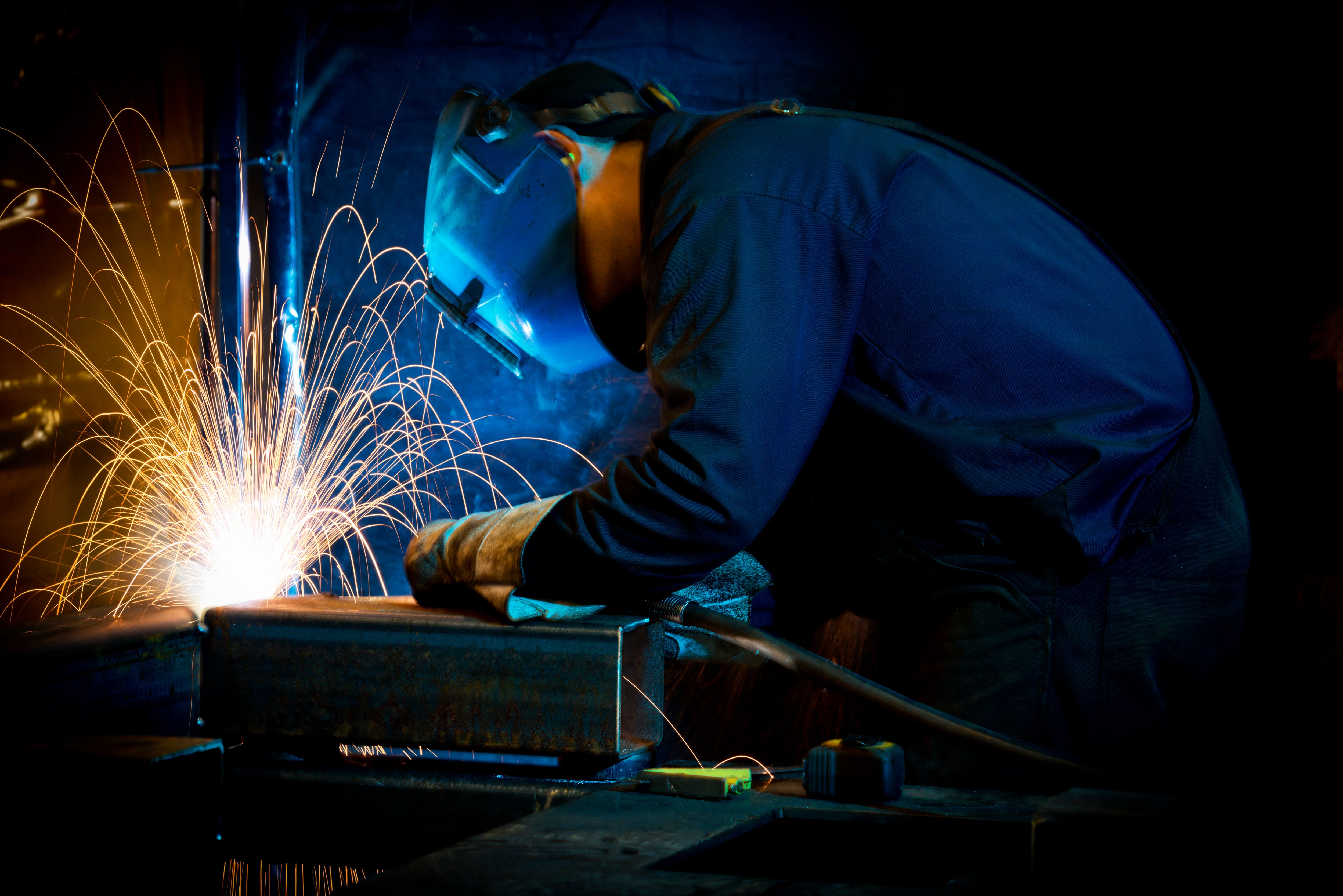
Advancements in Automation
Automation has become a game-changer in structural steel fabrication. The integration of robotics and computer-controlled machinery allows for precision and speed that were previously unimaginable. Automated cutting, welding, and assembly not only reduce human error but also enhance productivity by working round-the-clock.
Robotic systems are now capable of handling complex tasks, ensuring quality and consistency. The reduction in manual labor also minimizes safety risks, making the workplace safer for employees. As these technologies continue to evolve, we can expect even greater efficiencies and reduced production times.
3D Modeling and BIM Technology
Building Information Modeling (BIM) is transforming the way structural steel projects are designed and executed. BIM technology enables detailed 3D modeling of structures, providing a comprehensive view of the entire project before fabrication begins. This predictive capability helps in identifying potential issues, reducing waste, and optimizing resource allocation.

Engineers and architects can collaborate seamlessly, ensuring that every component fits perfectly. This not only speeds up the construction process but also enhances the quality and longevity of the structures being built. As more firms adopt BIM, the industry is moving towards a more integrated and efficient workflow.
Sustainability and Eco-Friendly Practices
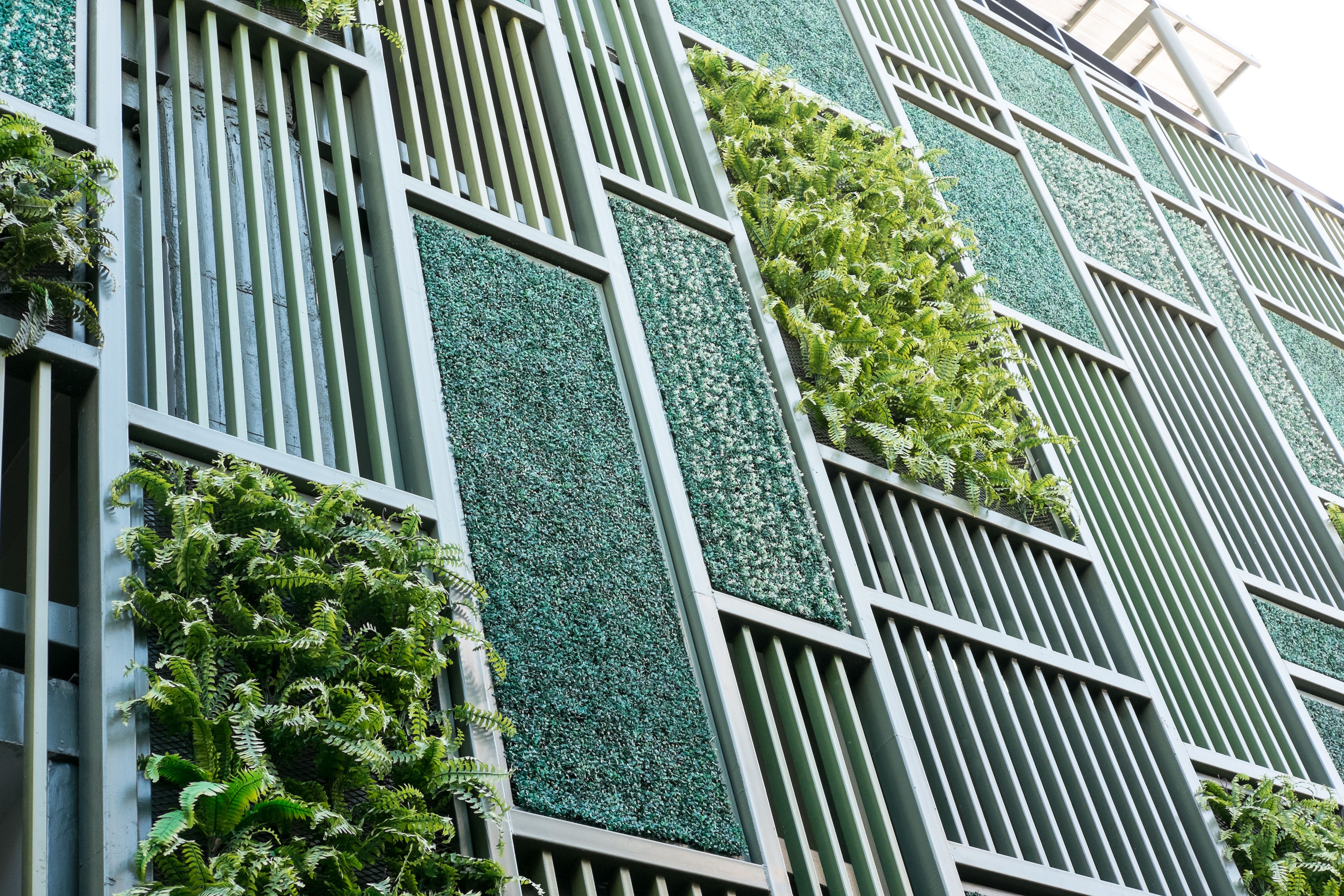
With growing concerns about environmental impact, the steel fabrication industry is embracing sustainable practices. The use of recycled steel is on the rise, reducing the need for new raw materials and conserving energy. Moreover, modern fabrication techniques focus on minimizing waste, further contributing to eco-friendly construction.
Innovations such as green coatings and energy-efficient production processes are also becoming standard. These advancements not only benefit the environment but also improve the overall cost-effectiveness of steel fabrication projects.
Smart Materials and Alloys
The development of smart materials and advanced alloys is another exciting trend in structural steel fabrication. These materials offer enhanced properties such as increased strength, corrosion resistance, and adaptability to environmental changes. By leveraging these innovations, structures can achieve longer lifespans and reduced maintenance needs.
Research into nanotechnology and metallurgy continues to unveil new possibilities, promising a future where steel structures are not only robust but also intelligent in responding to their surroundings.
Conclusion: Embracing the Future
The structural steel fabrication industry is on the brink of a significant transformation. By embracing automation, BIM technology, sustainability, and smart materials, the industry is poised to meet the challenges of modern construction head-on. These innovations not only enhance efficiency and quality but also pave the way for a more sustainable future.
As technology advances, continuous learning and adaptation will be key. Industry professionals must stay informed and agile to capitalize on these cutting-edge developments, ensuring that they remain at the forefront of the construction revolution.