Expert Tips on Maintaining Structural Steel Integrity in Coastal Areas


Understanding the Challenges of Coastal Environments
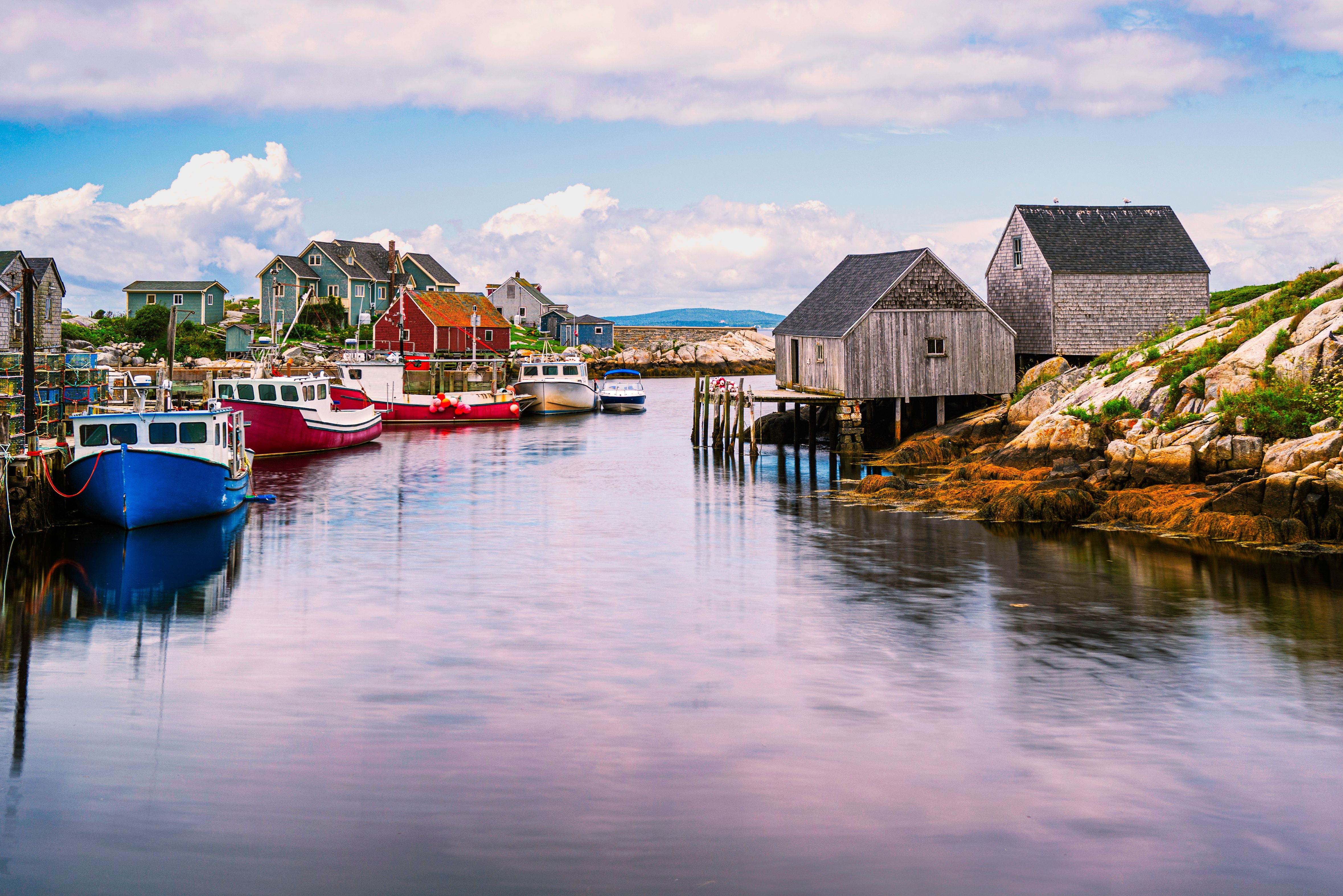
Coastal areas present unique challenges for maintaining the integrity of structural steel. The combination of salt-laden air, high humidity, and strong winds can accelerate corrosion and wear. This makes it essential for builders and maintenance teams to employ strategies specifically designed for these environments.
The Importance of Material Selection
Choosing the right materials is crucial in coastal areas. Look for steel that has been treated or coated to resist corrosion. Galvanized steel or stainless steel are popular choices, as they offer an extra layer of protection against the elements.
Consider using protective coatings, like epoxy or polyurethane, which can further shield steel from harsh coastal conditions. These coatings act as barriers, preventing moisture and salt from reaching the steel surface.
Regular Inspections and Maintenance
Consistent inspections are key to catching potential issues before they become serious problems. Schedule regular checks to monitor the condition of the steel, paying close attention to areas that are most exposed to the elements.
During inspections, look for signs of rust, pitting, or other forms of corrosion. Early detection allows for timely intervention, which can significantly extend the lifespan of the structure.

Implementing Protective Measures
Beyond coatings, additional protective measures can be taken to safeguard structural steel. Cathodic protection, for instance, is a technique that uses electrical currents to prevent corrosion. It is highly effective in environments where the risk of corrosion is high.
Barrier systems, such as using physical barriers or strategic landscaping, can also help minimize exposure to the elements. These systems work by reducing direct contact with salty air and water.
Design Considerations for Durability
Design plays a crucial role in the longevity of structural steel in coastal areas. Opt for designs that minimize crevices and joints where moisture can accumulate. Rounded edges and smooth surfaces are less likely to trap corrosive elements.

Utilizing Advanced Technologies
Modern technology offers new ways to protect and maintain structural steel. Sensors and IoT devices can monitor environmental conditions and structural health in real-time, providing valuable data to inform maintenance strategies.
These technologies can alert maintenance teams to changes in conditions that might accelerate corrosion, allowing for proactive measures to be taken.
Training and Awareness
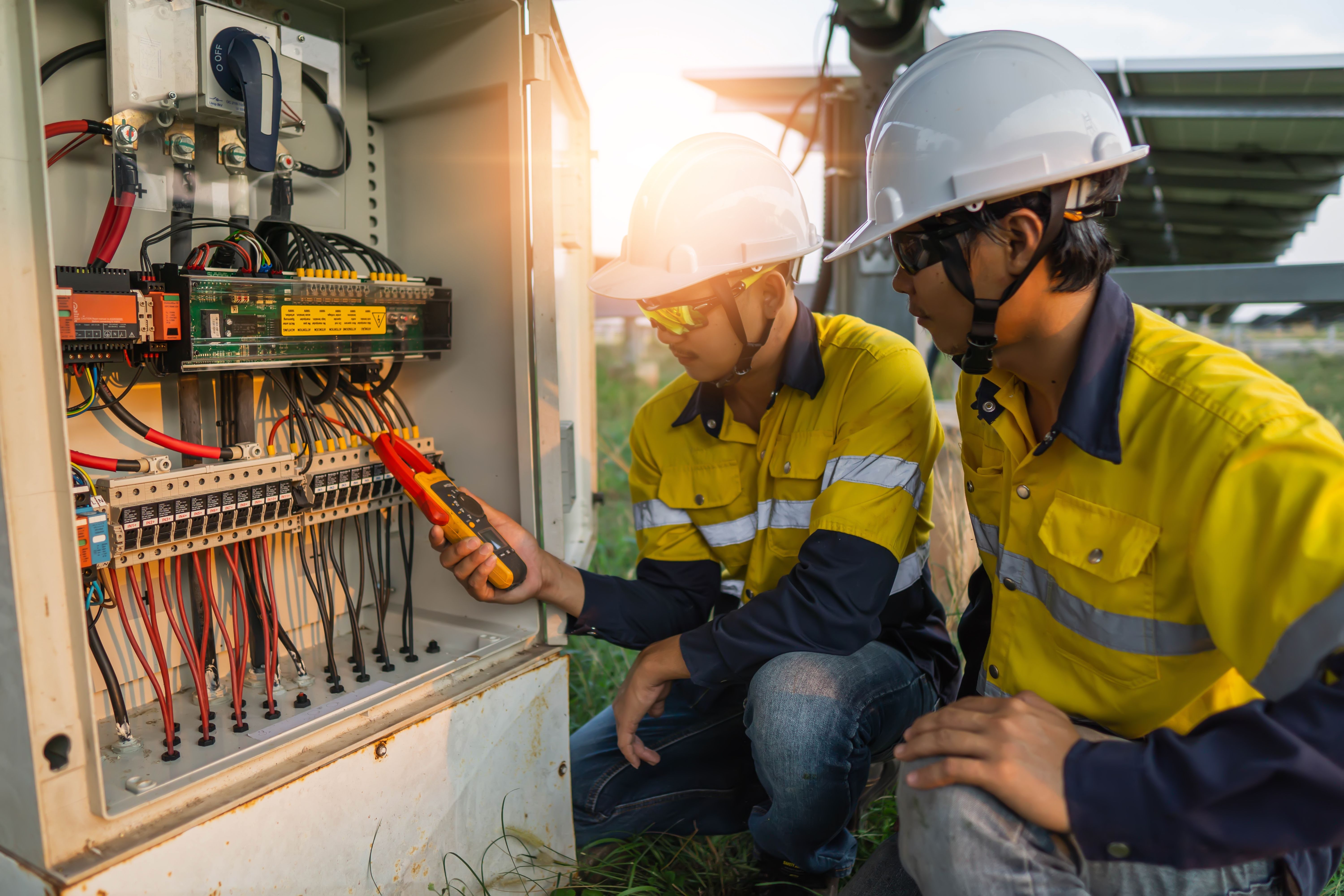
Ensuring that all personnel involved in the maintenance and inspection process are properly trained is essential. Awareness of the specific challenges posed by coastal environments can lead to better decision-making and more effective protection strategies.
Regular training sessions and updates on the latest materials and techniques can empower teams to maintain structural steel effectively, even in the harshest conditions.
Conclusion: A Comprehensive Approach
Maintaining structural steel integrity in coastal areas demands a comprehensive approach that combines careful material selection, regular maintenance, design considerations, and advanced technologies. By understanding and addressing the unique challenges of these environments, structures can be preserved, ensuring safety and reliability for years to come.