Exploring Innovative Metal Fabrication Techniques: A Deep Dive


Introduction to Metal Fabrication Techniques
Metal fabrication plays a crucial role in a wide array of industries, from construction to automotive manufacturing. As technology evolves, so do the techniques used in metal fabrication. This post explores some of the most innovative methods that are transforming the way metal is shaped and utilized.
Traditionally, metal fabrication involved basic processes like cutting, bending, and assembling. However, modern advancements have introduced more sophisticated methods that offer enhanced precision, efficiency, and flexibility.
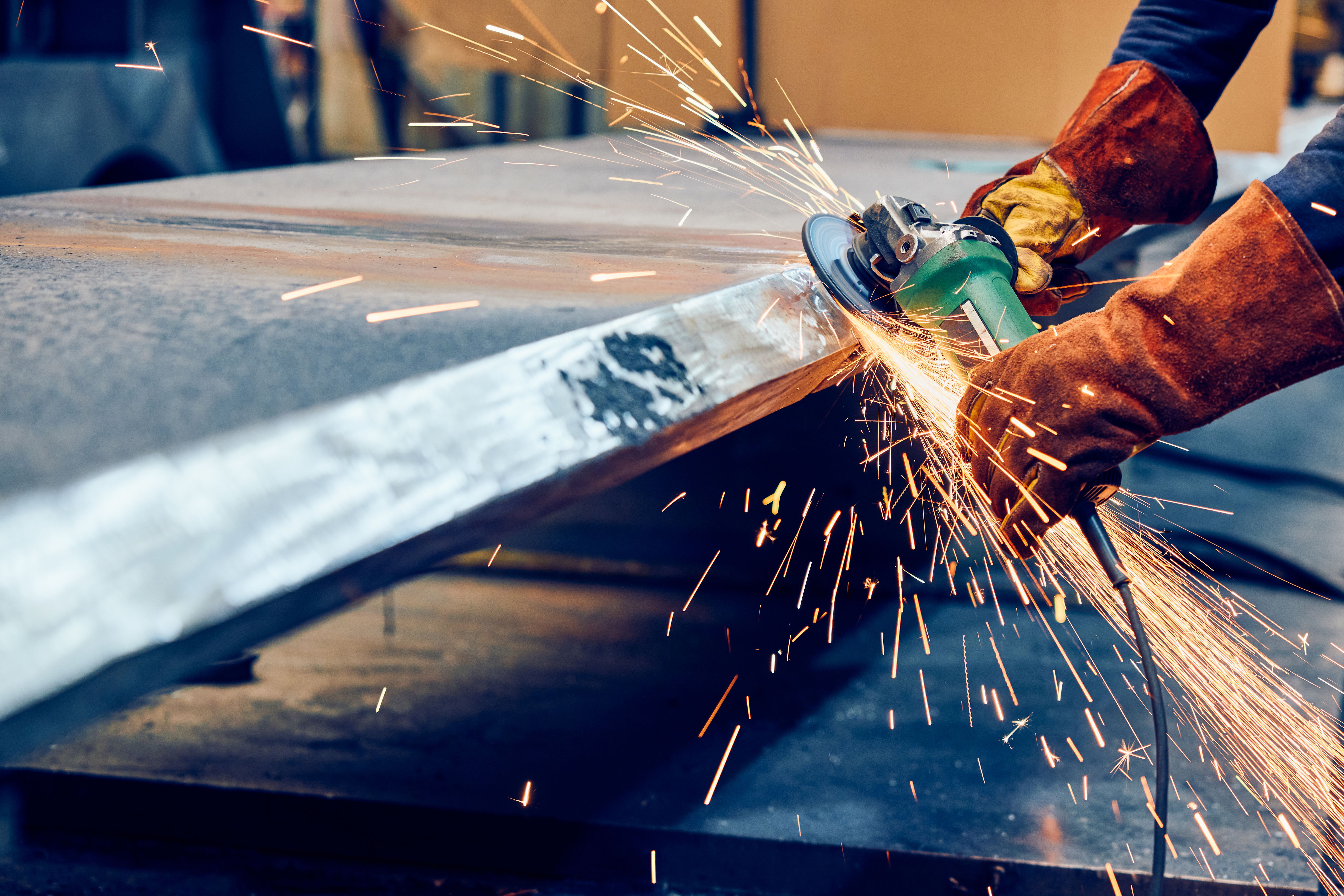
Laser Cutting: Precision at Its Best
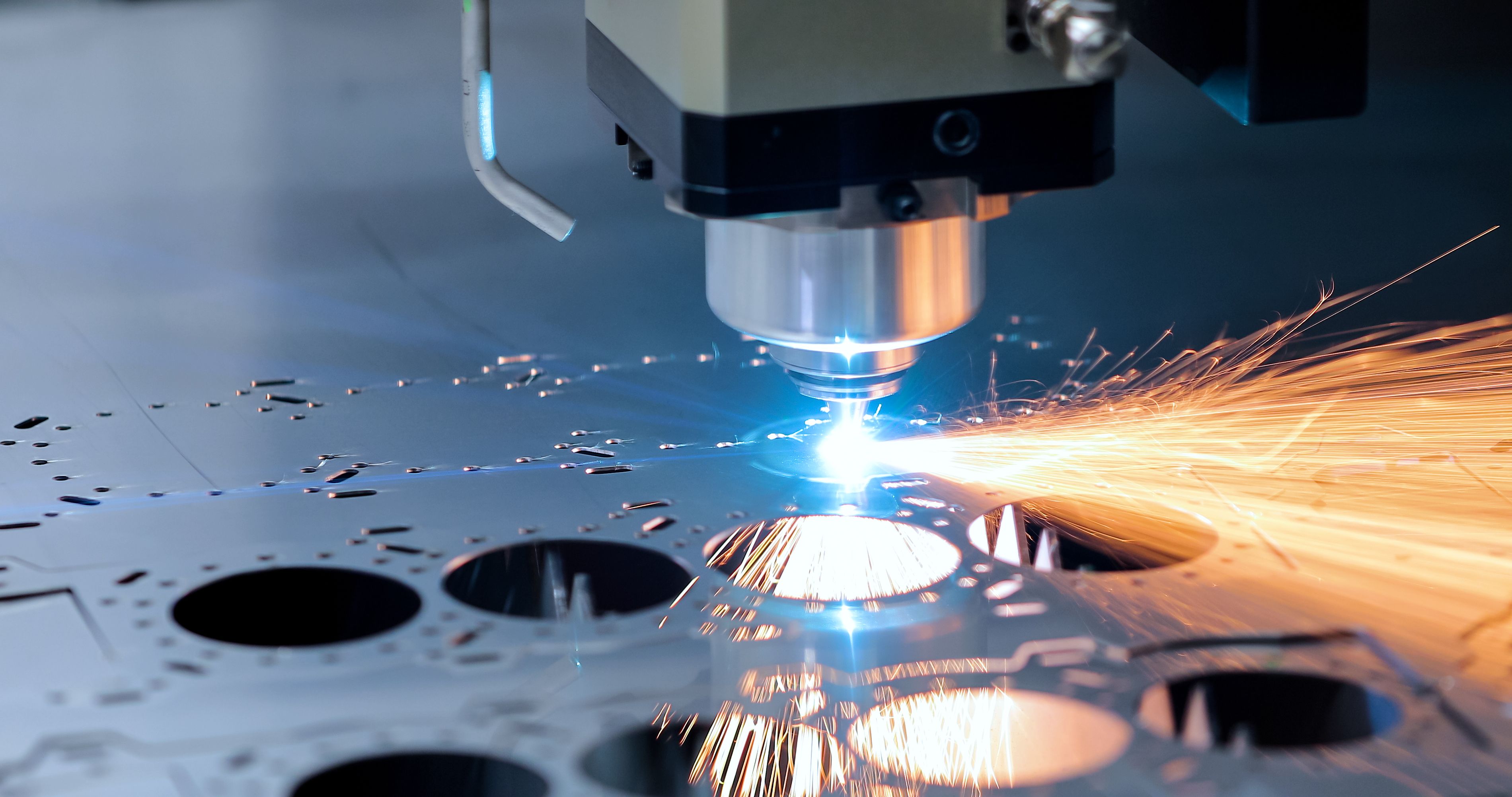
Laser cutting is revolutionizing the metal fabrication landscape. This technique uses focused laser beams to cut material with high precision, allowing for intricate designs that were previously difficult to achieve. Its ability to handle various thicknesses makes it a versatile choice for many projects.
One of the key benefits of laser cutting is its speed. By reducing the time required for cutting tasks, manufacturers can increase productivity and reduce costs. Additionally, the minimal waste produced by this technique makes it an environmentally friendly option.
Applications of Laser Cutting
Laser cutting is widely used in industries such as aerospace, automotive, and electronics. Its precision is especially valuable when producing small components that require exact specifications. The technique also allows for rapid prototyping, aiding in product development.
3D Printing: The Future of Fabrication
3D printing, also known as additive manufacturing, is a groundbreaking technique that is reshaping metal fabrication. By building objects layer by layer, 3D printing offers unparalleled design freedom and can create complex geometries that were once impossible.
This technique significantly reduces material waste, as it only uses the material necessary to create the part. Moreover, 3D printing allows for customization, enabling manufacturers to tailor products to specific requirements with ease.
Impact on Industries
Industries such as healthcare, aerospace, and automotive are benefiting from 3D printing's capabilities. From creating lightweight parts for aircraft to producing custom medical implants, the possibilities are vast and continually expanding.
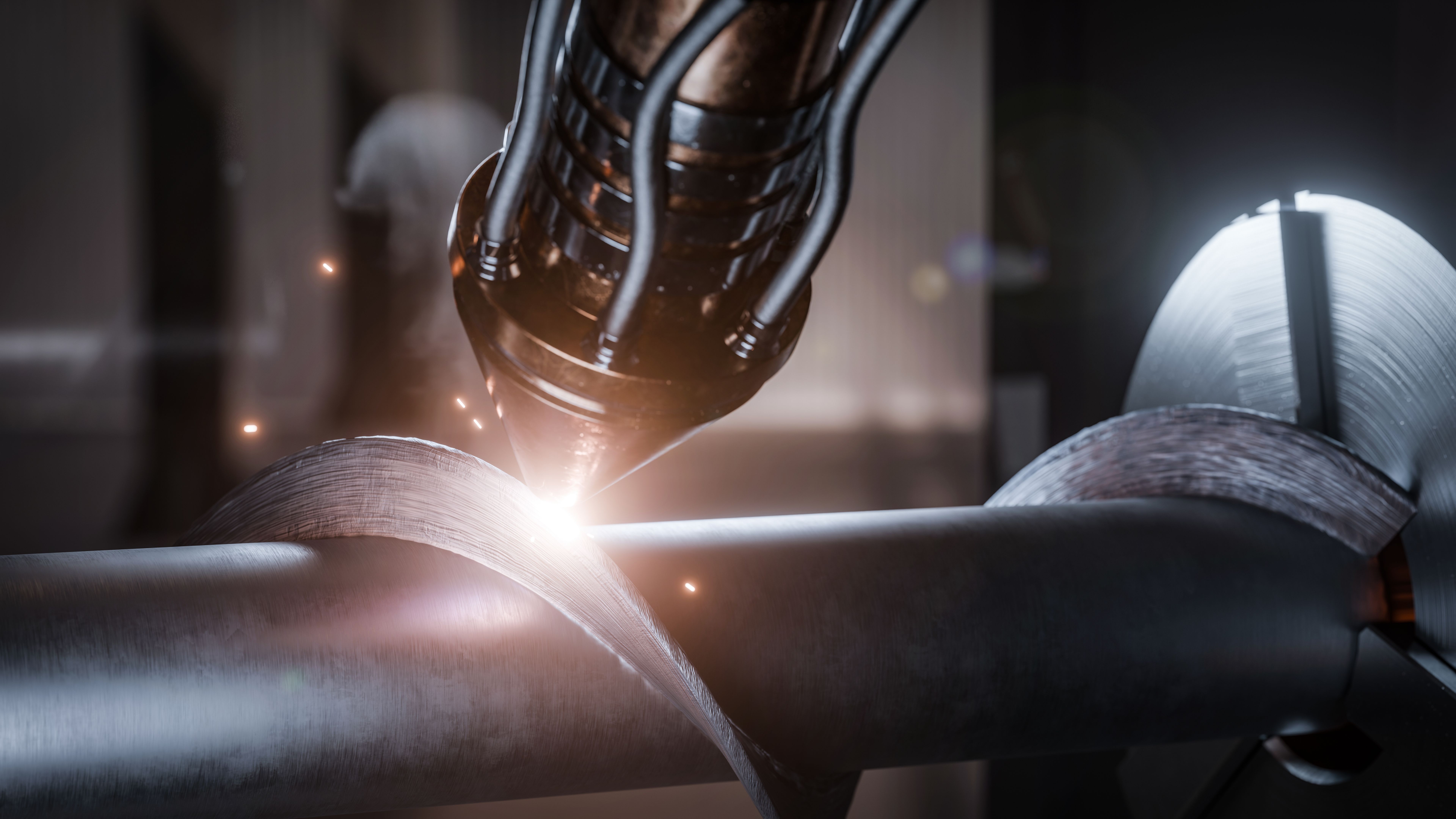
Computer Numerical Control (CNC) Machining
CNC machining is a highly accurate method that uses computerized controls to manipulate machine tools. This technique is ideal for producing complex parts with high precision and repeatability, making it a staple in modern metal fabrication.
One of the major advantages of CNC machining is its ability to operate continuously, reducing downtime and increasing efficiency. The automation involved also minimizes human error, ensuring consistently high-quality results.
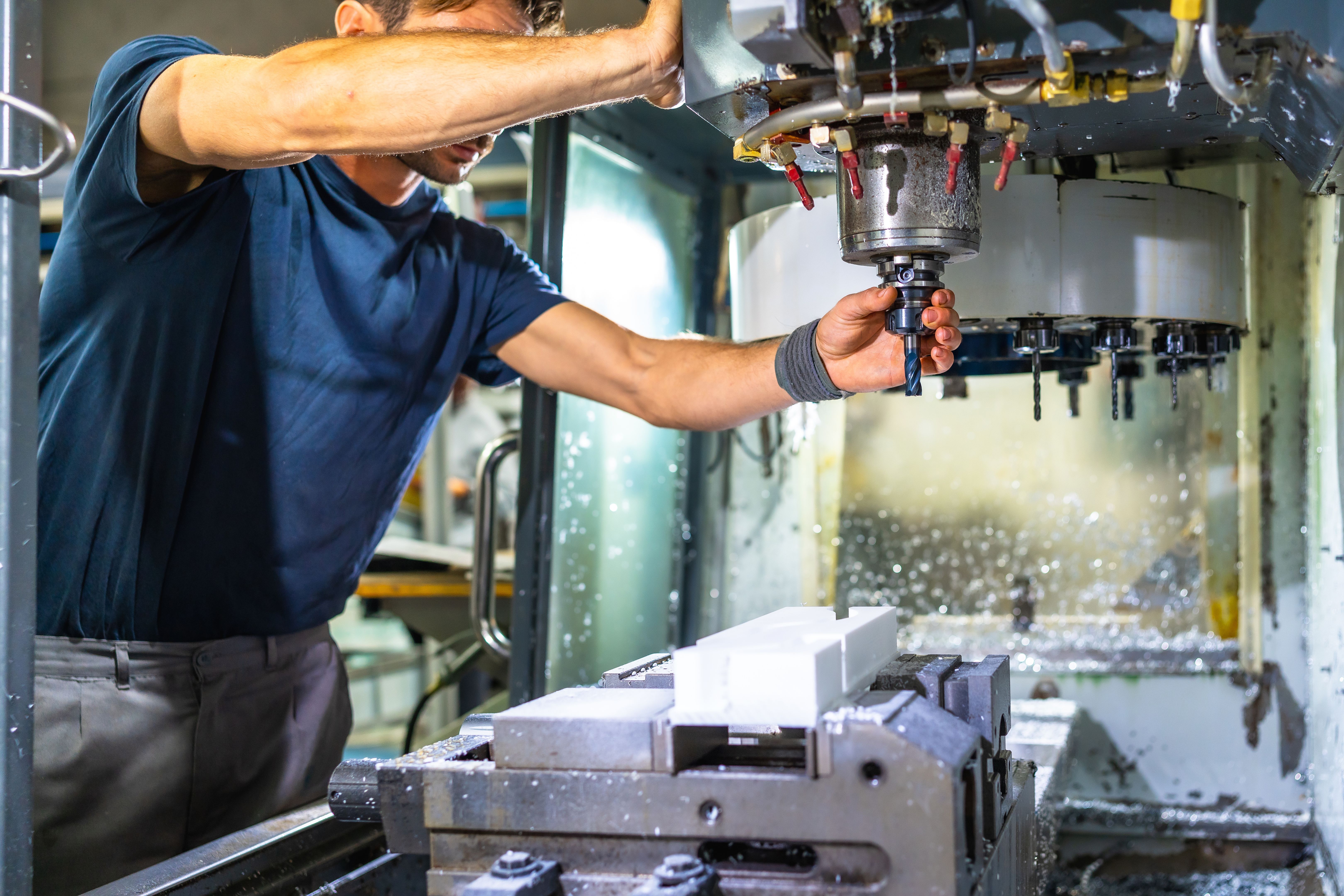
The Role of CNC in Modern Manufacturing
CNC machining is prevalent in industries that demand high precision, such as aerospace, automotive, and defense. Its ability to produce parts quickly and accurately makes it indispensable for large-scale production and intricate designs.
Conclusion
Innovative metal fabrication techniques like laser cutting, 3D printing, and CNC machining are transforming the industry by offering new levels of precision, efficiency, and versatility. As these technologies continue to evolve, they will undoubtedly unlock even more possibilities for manufacturers, paving the way for groundbreaking advancements across various sectors.