Exploring Innovative Welding Techniques: A Modern Guide


Introduction to Modern Welding Techniques
The field of welding has seen remarkable advancements, moving beyond traditional methods to incorporate cutting-edge technology. These innovations not only enhance efficiency but also improve the quality of welds, opening up new possibilities across industries.

Understanding Friction Stir Welding (FSW)
Friction Stir Welding is a revolutionary technique that joins metals without melting them. It involves a rotating tool that generates frictional heat, making the material pliable enough to forge a bond. This method is particularly beneficial for welding aluminum and other soft metals, providing strength and durability.
Key advantages of FSW include its ability to produce defect-free joints and its energy efficiency. Additionally, it minimizes distortion, making it ideal for aerospace and automotive applications where precision is crucial.
Laser Welding: Precision and Speed
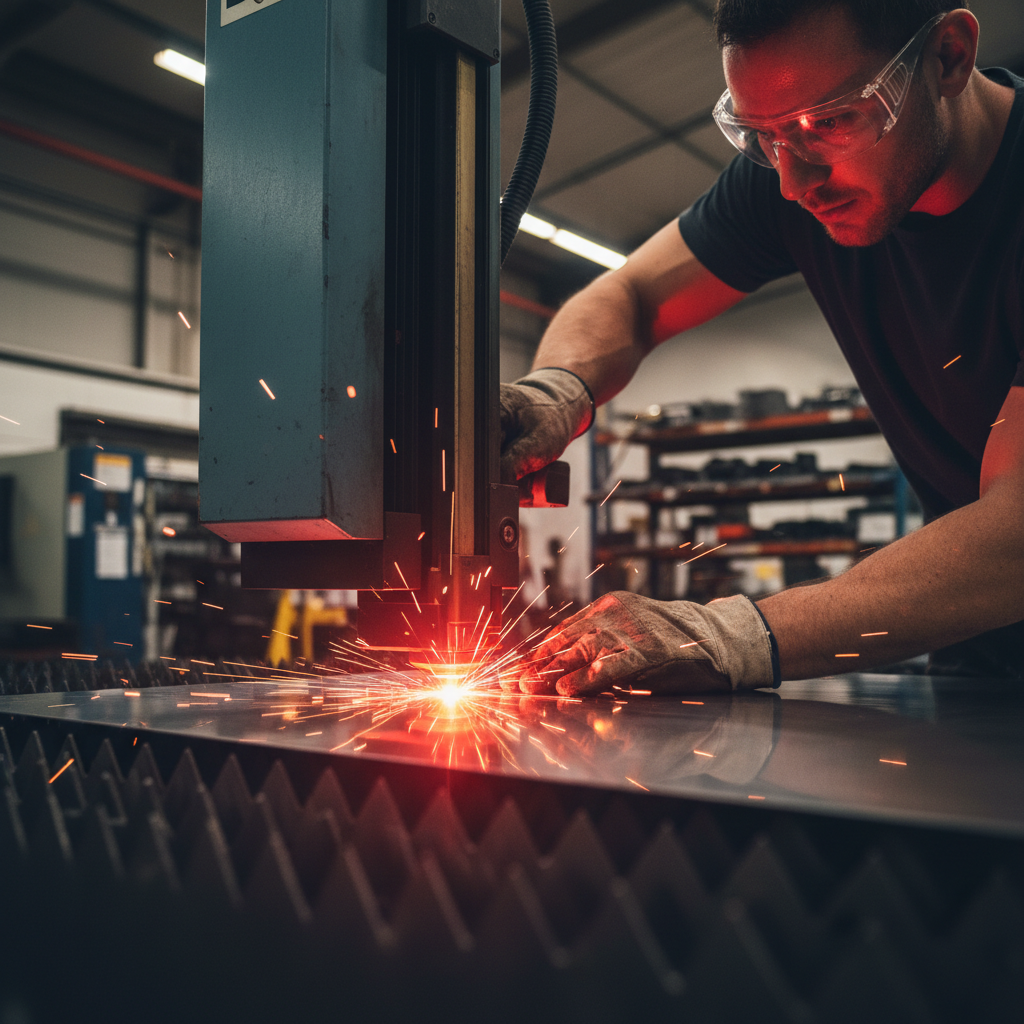
Laser welding utilizes focused beams of light to melt materials, creating a precise and clean joint. This technique is renowned for its speed and accuracy, making it suitable for high-volume production environments. It can handle a wide range of materials, from metals to plastics.
The main benefits of laser welding are its minimal heat-affected zones and its capability to produce intricate welds, which are essential in electronics and medical device manufacturing.
Exploring Ultrasonic Welding
Ultrasonic welding is a technique that uses high-frequency ultrasonic acoustic vibrations to weld materials together. This method is commonly used for plastics and has gained popularity in industries such as automotive, medical, and packaging due to its speed and strength.
The advantages include the ability to join dissimilar materials without adhesives or fasteners and its suitability for delicate assemblies. It's an environmentally friendly option, reducing the need for additional materials.
Hybrid Welding Techniques
Hybrid welding combines multiple processes to leverage the benefits of each. For instance, laser-arc hybrid welding merges laser welding with traditional arc welding, resulting in deeper penetration and faster speeds.
These hybrid approaches offer versatility, allowing manufacturers to customize welding processes to meet specific requirements and improve overall productivity.

The Future of Welding Technology
As technology continues to evolve, the future of welding looks promising with the integration of AI and robotics. These advancements will further enhance precision, reduce human error, and increase safety in welding operations.
Overall, embracing innovative welding techniques not only boosts efficiency but also promotes sustainable practices, aligning with modern manufacturing goals and environmental standards.