How Structural Steel Fabrication Transforms Commercial Buildings


Revolutionizing Commercial Architecture with Structural Steel Fabrication
In the realm of commercial construction, structural steel fabrication plays a pivotal role in transforming blueprints into reality. This process not only enhances the durability and strength of buildings but also offers architects and builders unparalleled flexibility in design. It's no wonder that structural steel is the backbone of modern commercial architecture.
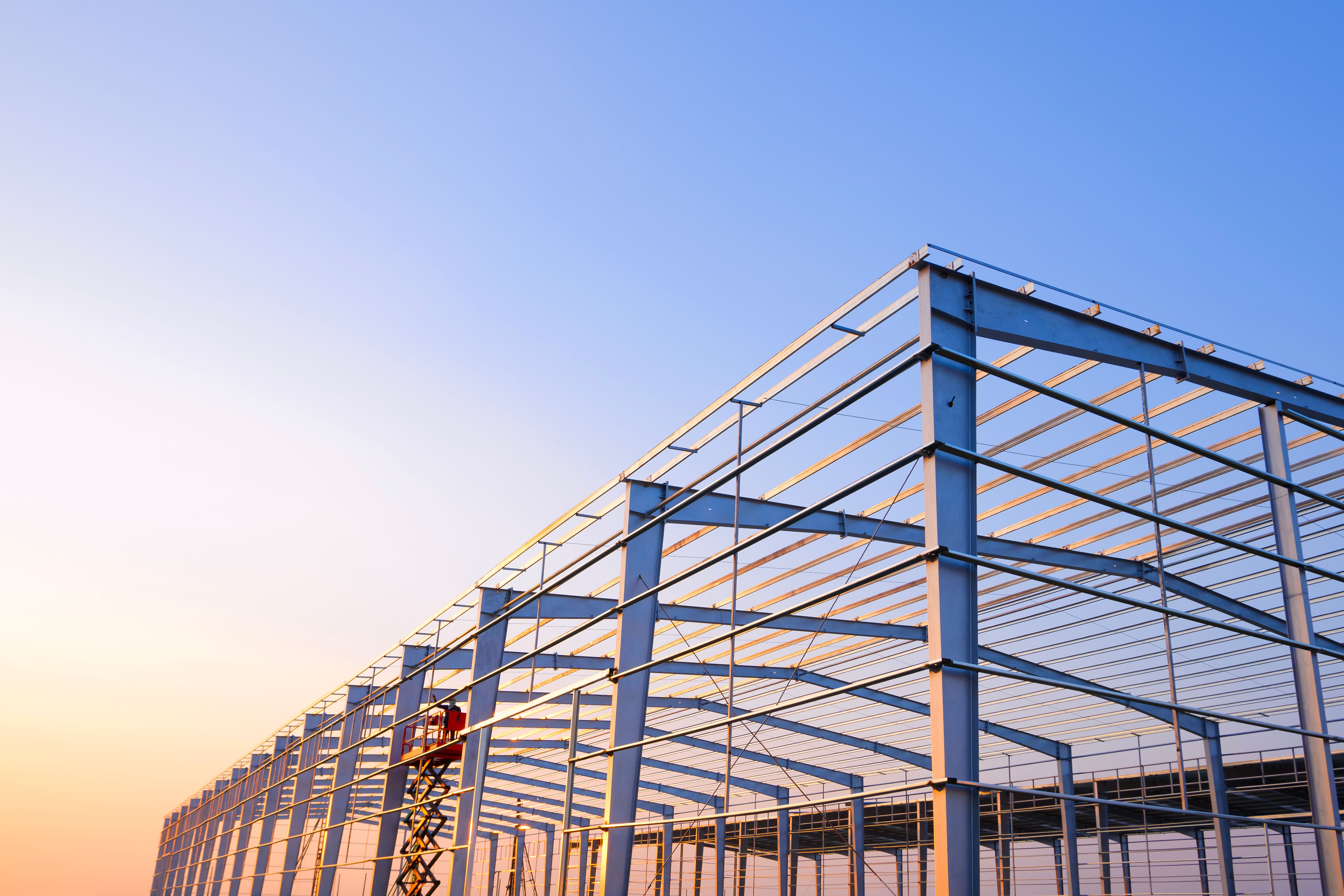
Unmatched Durability and Strength
One of the key advantages of using structural steel in commercial buildings is its exceptional strength-to-weight ratio. This means that steel provides superior support without adding unnecessary weight to the structure. As a result, buildings can soar to greater heights without compromising stability.
Moreover, structural steel is highly resilient against natural forces such as wind and earthquakes. This resilience is crucial for commercial buildings, which must ensure safety and minimize potential damage during unforeseen events. The inherent strength of steel makes it a preferred choice for constructing skyscrapers and expansive industrial complexes.
Design Flexibility and Innovation
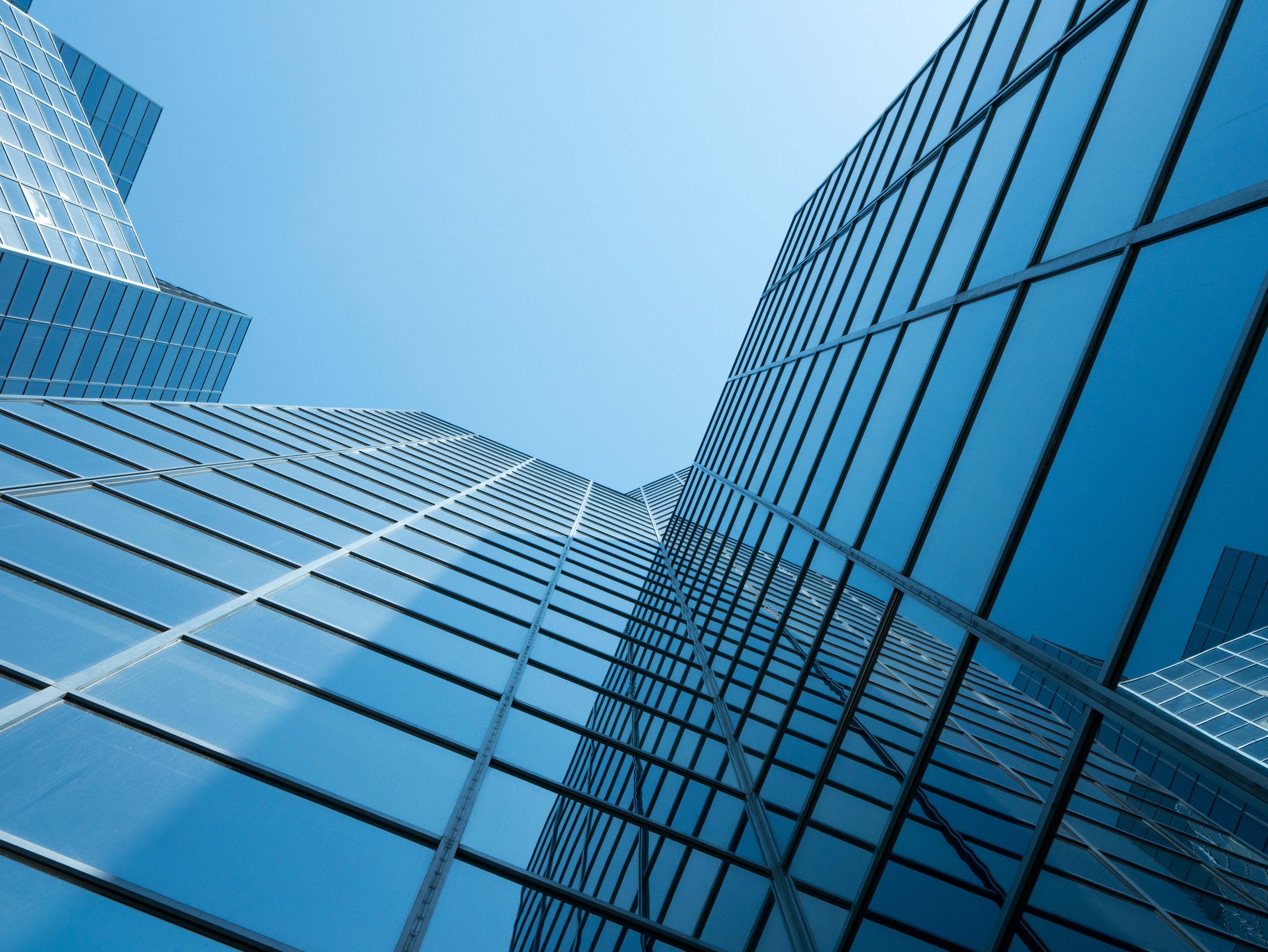
Structural steel fabrication offers architects a level of design flexibility that is unmatched by traditional building materials. The ability to mold and shape steel into various forms allows for innovative architectural designs that can stand out in any city skyline. From intricate facades to expansive open spaces, the possibilities are virtually limitless.
Additionally, the prefabrication of steel components off-site streamlines the construction process. This approach not only speeds up the timeline but also ensures precision and quality control. Builders can assemble components quickly and efficiently, reducing labor costs and minimizing on-site disruptions.
Sustainability and Environmental Benefits
In today's eco-conscious world, sustainability is a critical consideration in construction. Structural steel is highly recyclable, making it an environmentally friendly option. Steel components can be reused or repurposed, significantly reducing waste and conserving resources.
Moreover, the energy efficiency of steel-framed buildings can be enhanced through proper insulation and design. By reducing energy consumption, commercial buildings can achieve lower operating costs and a smaller carbon footprint.

Cost-Effectiveness in the Long Run
While the initial cost of structural steel may be higher compared to other materials, its long-term benefits often outweigh the upfront expenses. The durability and low maintenance requirements of steel structures lead to lower repair and replacement costs over the building's lifetime.
Furthermore, the speed of construction reduces labor costs and allows businesses to open their doors sooner, creating revenue opportunities faster. This combination of factors makes structural steel a cost-effective solution for commercial projects.
A Future-Ready Material
As commercial buildings continue to evolve, structural steel remains at the forefront of innovation. Its adaptability to future technologies and construction methods ensures that it will remain a staple in the industry. Whether through advancements in fabrication techniques or integration with smart building technologies, steel is poised to meet the demands of tomorrow's architecture.
In conclusion, structural steel fabrication is a transformative force in commercial building construction. Its strength, flexibility, sustainability, and cost-effectiveness make it an indispensable material for creating structures that are not only functional but also aesthetically striking. As the industry progresses, steel will undoubtedly continue to shape the skylines of the future.