How Weather in Hayward Affects Structural Fabrication Projects


Hayward, located in the heart of the San Francisco Bay Area, experiences a unique blend of weather conditions throughout the year. These conditions significantly impact structural fabrication projects, requiring careful planning and execution to ensure success.
The Impact of Rain on Fabrication Projects
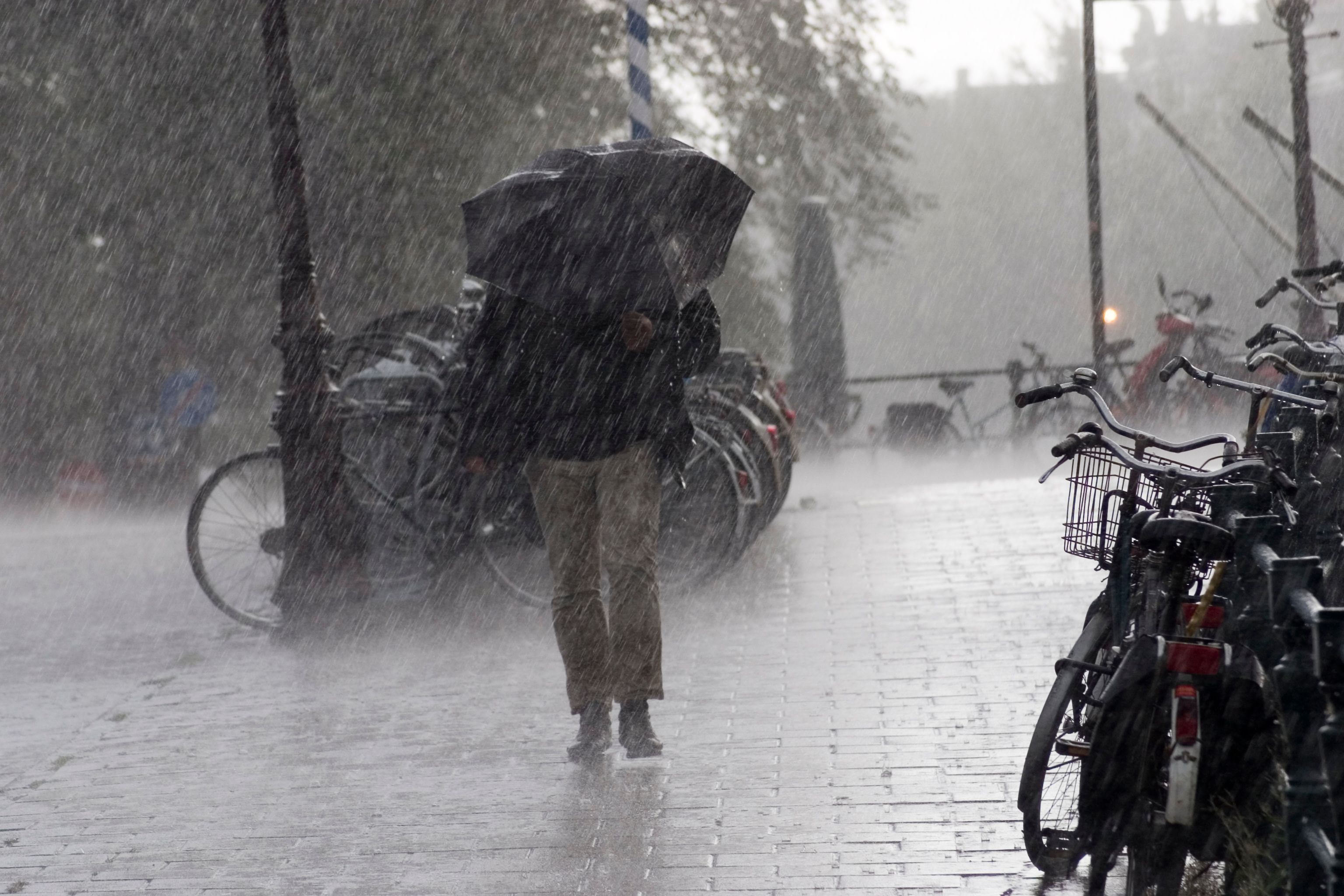
One of the primary weather challenges in Hayward is the rainy season, typically from November to March. Rain can cause delays in structural fabrication as it affects both outdoor and indoor activities. Moisture can lead to corrosion of materials if not properly stored and protected, emphasizing the need for weather-resistant storage solutions.
Additionally, rain can hinder transportation and logistics, making it difficult to deliver materials on time. This can lead to scheduling delays and increased costs. Therefore, project managers must account for potential rain-related disruptions in their timelines and budgets.
Temperature Fluctuations and Material Integrity
Hayward experiences moderate temperatures year-round, but fluctuations can still impact material integrity. Extreme heat, although rare, can cause materials to expand, while cooler temperatures may lead to contraction. This can affect the precision of fabricated components, leading to potential structural issues.
To mitigate these effects, it's crucial to select materials that can withstand local temperature variations. Utilizing thermal expansion joints in design can also help accommodate these changes, ensuring structural stability.
Wind Considerations in Structural Design
The Bay Area is known for its breezy conditions, and Hayward is no exception. High winds can affect crane operations, making it unsafe to lift heavy materials during certain times. This necessitates careful monitoring of wind forecasts to plan safe lifting schedules.
Moreover, wind forces must be considered in the structural design phase. Engineers need to ensure that the structures can withstand local wind loads, which might involve additional bracing or reinforcement.
Strategies for Weather-Resilient Fabrication
To successfully manage the impacts of Hayward's weather, companies can implement several strategies. These include:
- Using weather-resistant materials and coatings to protect against moisture and corrosion.
- Implementing flexible project timelines that account for potential weather-related delays.
- Investing in robust weather monitoring systems to anticipate and respond to changes quickly.
By adopting these strategies, fabrication projects can proceed smoothly despite the challenges posed by local weather conditions.
Conclusion
Understanding the nuances of Hayward's weather is crucial for the successful completion of structural fabrication projects. From rain and temperature fluctuations to wind, each element requires careful consideration and planning. By implementing weather-resilient strategies, project managers can mitigate risks and ensure that their projects are completed on time and within budget.