Preparing for Summer Construction: Expert Tips and Best Practices


Understanding the Scope of Your Project
Before diving into any construction project, it’s crucial to understand the full scope of what you’re undertaking. This involves evaluating the size, budget, and timeline of the project. Failing to properly assess these elements can lead to delays and unexpected costs down the line. Start by creating a detailed plan that outlines each phase of your project.
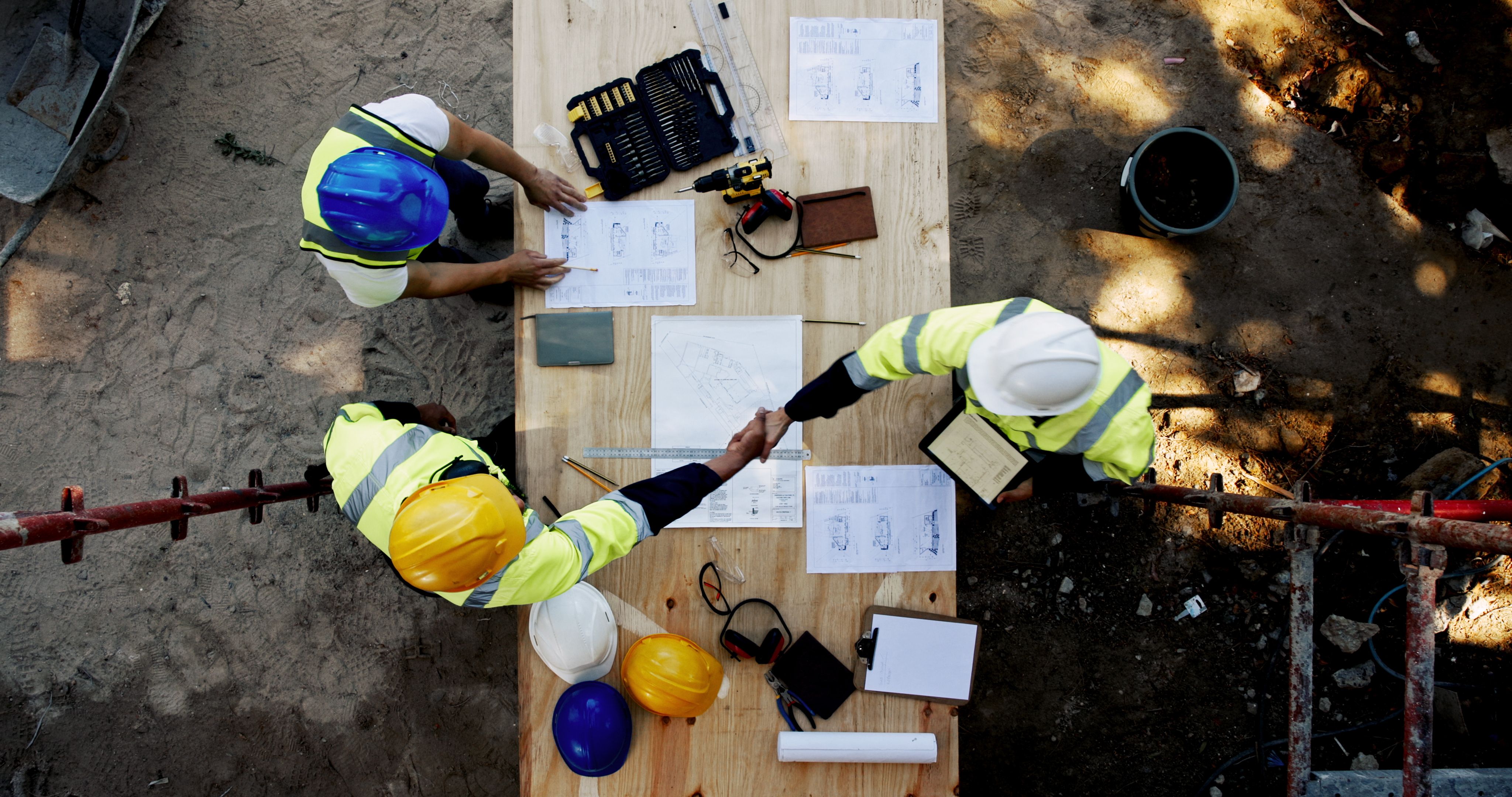
Consult with architects and contractors to ensure your vision is feasible. Their expertise will help you identify potential challenges early, saving you time and money. Additionally, be sure to secure the necessary permits and adhere to local regulations to avoid legal complications.
Assembling the Right Team
Once you have a clear plan, the next step is assembling a skilled team. Hiring experienced professionals can make a significant difference in the success of your project. Look for workers with a proven track record in the type of construction you’re planning.
Consider conducting interviews and checking references to ensure you’re hiring the best. A well-coordinated team not only works more efficiently but also ensures higher quality results. Remember, effective communication is key to maintaining a smooth workflow.

Choosing the Right Materials
Material selection is a critical aspect of construction planning. The right materials ensure durability and sustainability, while the wrong ones can lead to costly repairs. Consult with your contractor to select materials that align with your project’s goals and budget.
Consider energy-efficient and environmentally friendly options. These materials not only reduce your carbon footprint but can also result in cost savings over time. Take advantage of technology to explore innovative materials that enhance your project’s appeal and functionality.

Ensuring Safety on Site
Safety should be a top priority on any construction site. Implementing stringent safety protocols protects your workers and minimizes the risk of accidents. Ensure that all team members are equipped with the necessary safety gear and are fully trained in emergency procedures.
Regular safety audits and meetings can help maintain a high standard of safety. Encourage a culture where workers feel comfortable reporting potential hazards. This proactive approach can prevent accidents and create a safer working environment.
Weather Considerations
Summer construction projects are often influenced by weather conditions. While summer typically offers more favorable weather, you should still prepare for unexpected changes. Plan for high temperatures by scheduling work during cooler parts of the day and providing ample hydration breaks for workers.

Monitoring weather forecasts and having contingency plans can help mitigate weather-related delays. Be ready to adjust your schedule as needed to maintain progress without compromising safety.
Staying on Schedule
Time management is essential to the success of your construction project. Establish a realistic timeline with clear milestones to track progress. Regularly review and adjust schedules to accommodate any delays or changes in the project scope.
Utilize project management tools to keep track of tasks, deadlines, and team performance. Regular updates and communication with your team can ensure everyone is aligned and working towards the same goals.
Final Inspections and Quality Assurance
As your project nears completion, conduct thorough inspections to ensure everything meets your standards. Quality assurance checks help identify any issues that need addressing before finalizing the project.

Engage independent inspectors if necessary to provide an unbiased evaluation. Addressing any problems now can prevent future complications and ensure your project is completed successfully.