Preparing Your Construction Projects for the Spring Weather


Understanding the Impact of Spring Weather
As winter fades away, construction projects must adapt to the new challenges and opportunities presented by spring weather. The thawing ground, increased rainfall, and warmer temperatures can significantly impact timelines and processes. It's crucial to prepare adequately to ensure smooth operations.
Spring weather can lead to muddy conditions, affecting site accessibility and equipment movement. Additionally, unpredictable weather patterns require flexibility and readiness to adjust schedules. By understanding these factors, you can mitigate potential delays and enhance productivity.
Conducting a Thorough Site Assessment
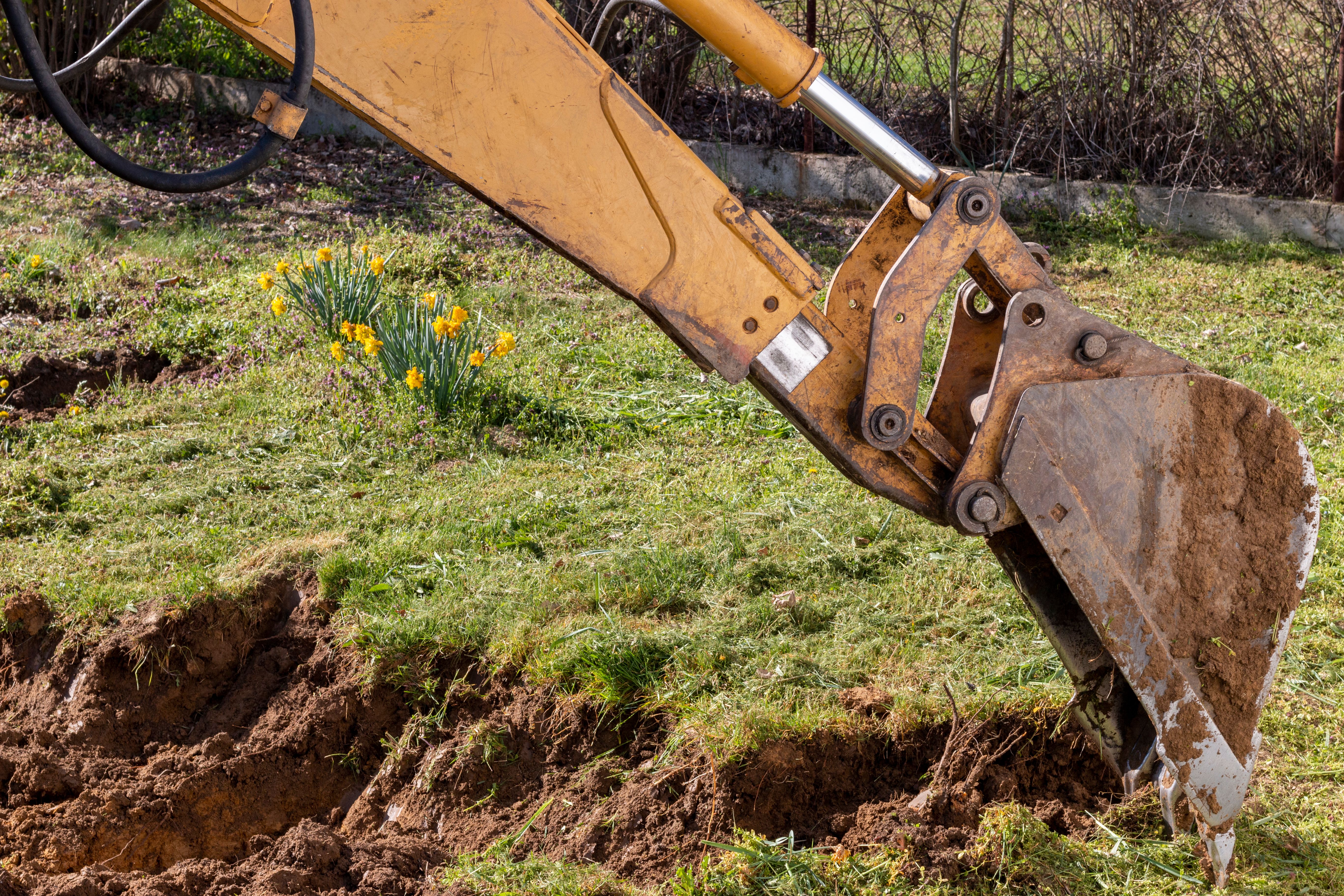
Before commencing any construction activities, perform a comprehensive site assessment. Evaluate how the winter season may have affected your site, including potential damage from frost or water accumulation. Identifying these issues early enables timely intervention.
Check for any erosion, especially in areas with slopes or water runoff. Address these concerns by implementing proper drainage solutions and reinforcing vulnerable sections. This proactive approach minimizes disruptions and ensures safety on-site.
Reviewing Equipment and Materials
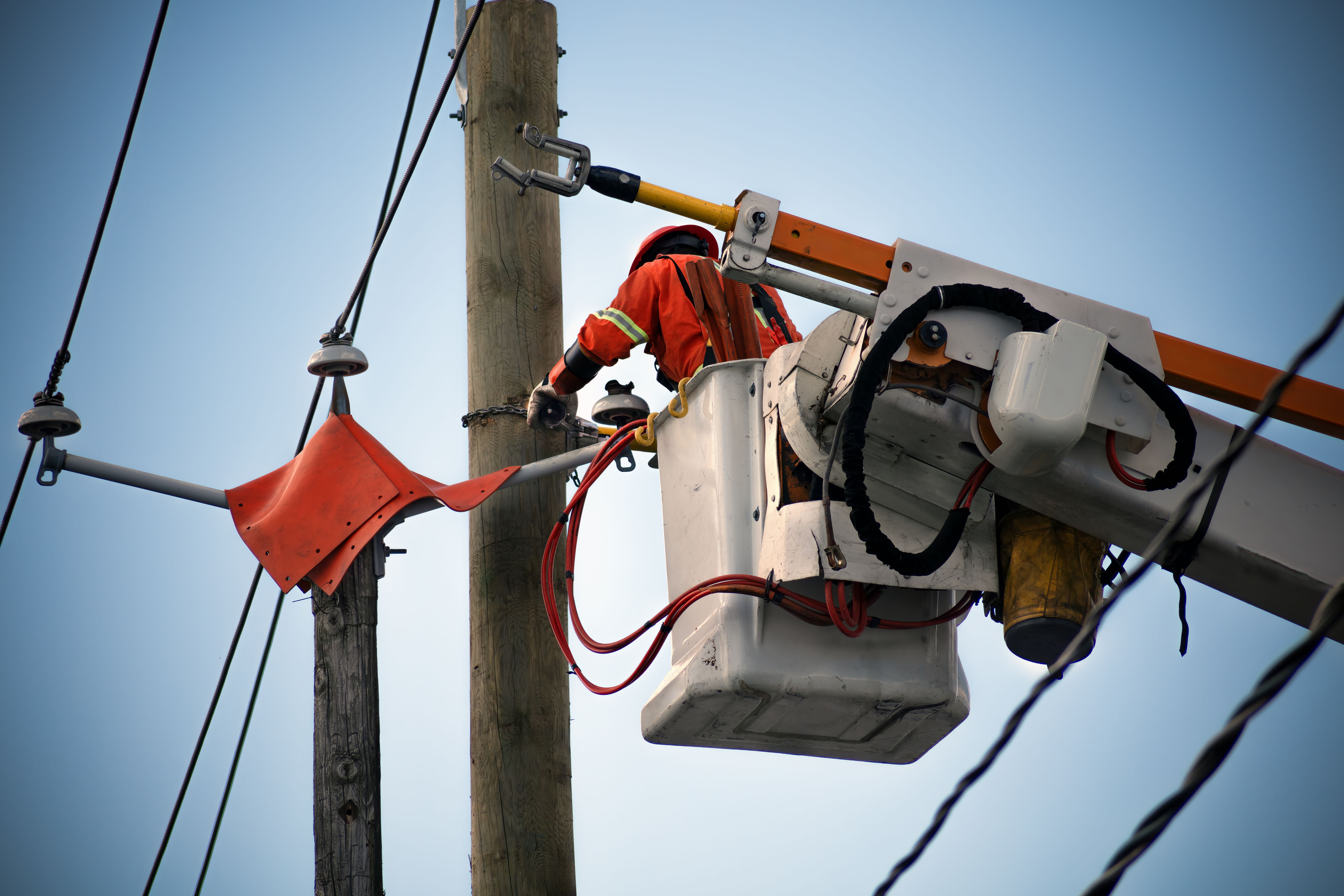
Spring is the perfect time to inspect and maintain your construction equipment. Cold weather can take a toll on machinery, so ensure all equipment is in optimal condition. Regular maintenance not only prevents breakdowns but also extends the lifespan of your tools.
Additionally, evaluate your material inventory. With the potential for increased moisture, store materials like wood and cement in dry, covered areas to prevent damage. Consider ordering materials early to avoid supply chain disruptions common during this season.
Planning for Weather-Related Delays
Spring weather is notoriously unpredictable, with sudden rain showers and temperature fluctuations. Build flexibility into your project schedule to accommodate these changes. Establish contingency plans to minimize downtime and keep stakeholders informed.
Utilize weather forecasting tools to anticipate potential disruptions. By staying informed, you can make real-time decisions that reduce the impact of weather-related delays on your project timeline.

Ensuring Worker Safety
With the shift in weather conditions, worker safety becomes a top priority. Ensure all team members have appropriate gear for wet and muddy conditions, including non-slip boots and rainproof clothing. Conduct safety briefings to address any new hazards introduced by the changing environment.
Additionally, implement regular safety inspections to identify and rectify any potential risks. A safe work environment not only protects your team but also boosts morale and productivity.
Embracing Sustainable Practices
Spring is a great time to integrate sustainable practices into your construction projects. Consider using eco-friendly materials and energy-efficient machinery to reduce your environmental footprint. Implementing green practices not only benefits the planet but can also enhance your brand reputation.
Furthermore, leveraging natural light and ventilation during this season can improve working conditions and reduce energy costs. By embracing sustainability, you contribute to a healthier environment and create a positive impact on the community.

In summary, preparing your construction projects for spring weather requires careful planning and proactive measures. By understanding the impact of weather changes, conducting thorough assessments, and prioritizing safety and sustainability, you can ensure a successful transition into the new season.