Understanding Structural Steel Fabrication: A Comprehensive Guide


What is Structural Steel Fabrication?
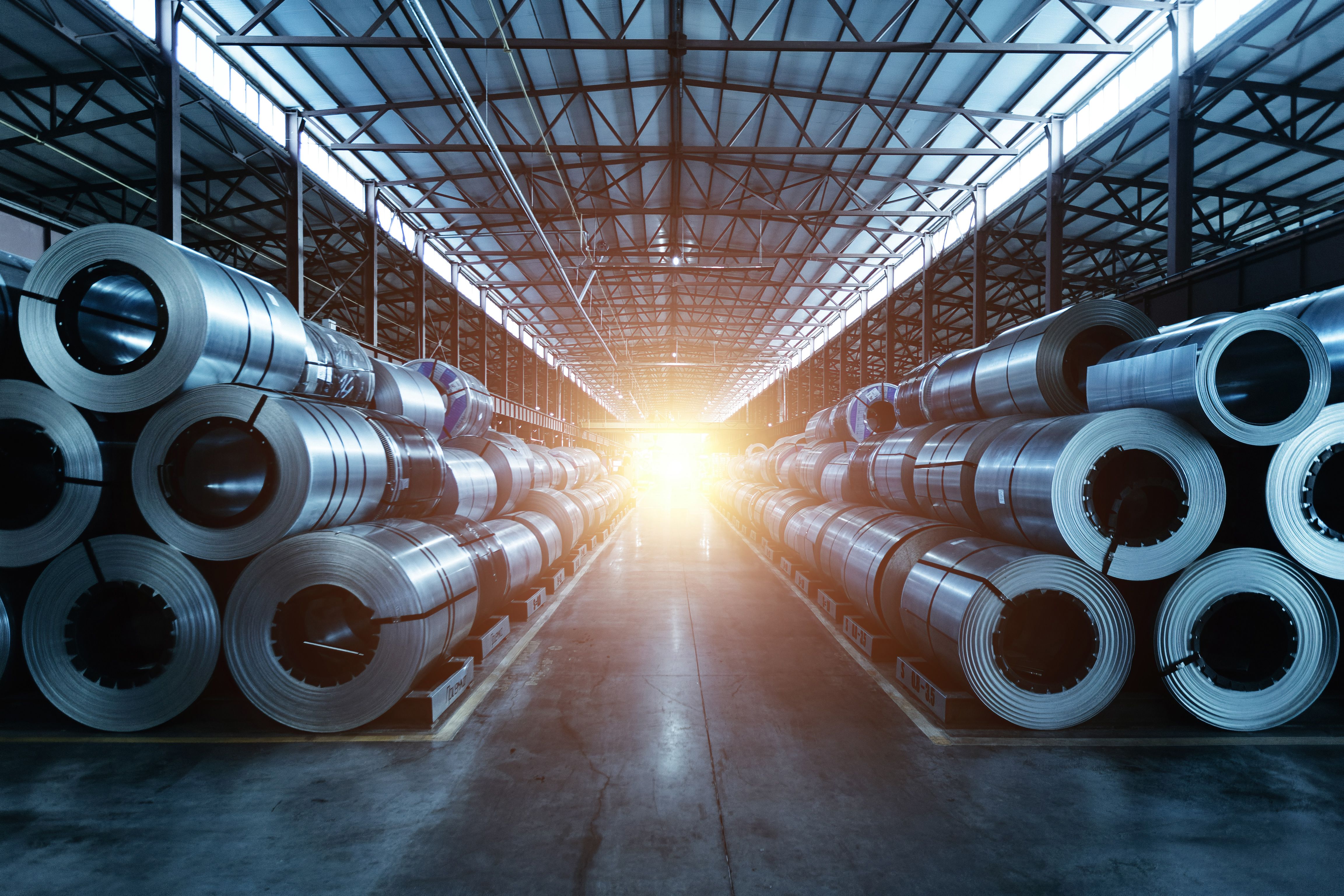
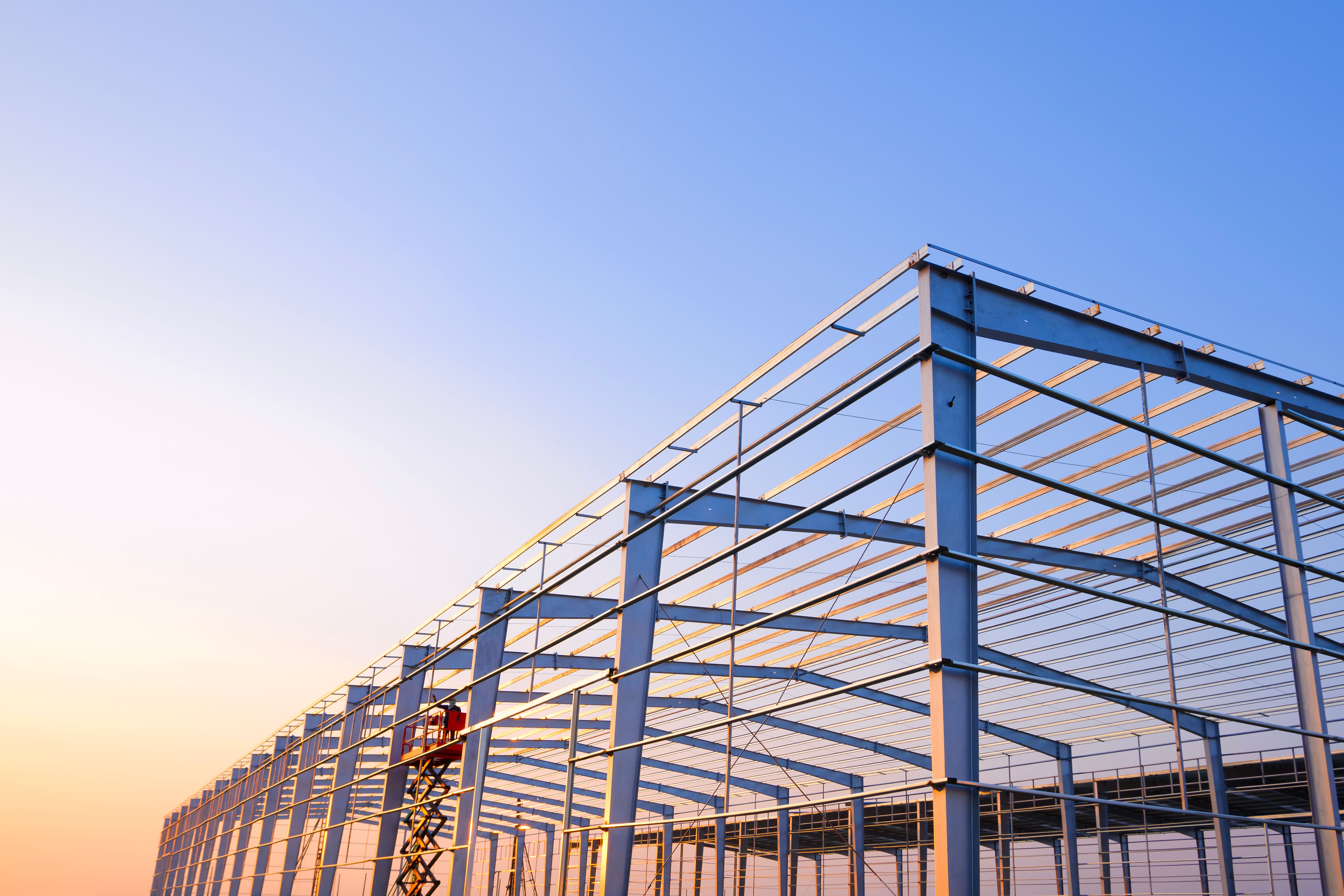
Structural steel fabrication is the process of cutting, bending, and assembling steel to create structures. It is a critical component in the construction industry, as it allows for the creation of strong and durable buildings, bridges, and other infrastructures. The process involves a variety of techniques and requires specialized equipment and skilled professionals.
The Steps Involved in Steel Fabrication
The fabrication process typically begins with a detailed design, followed by the cutting of steel pieces according to precise measurements. After cutting, the steel is bent into the required shapes using specialized tools. The final step involves assembling the pieces through welding or bolting to form the finished structure.
Each step in the fabrication process must be executed with precision to ensure the integrity and safety of the final product. Here’s a breakdown of the common steps:
- Design and Planning: Creating detailed blueprints and specifications.
- Cutting: Using saws, lasers, or plasma torches to cut steel to size.
- Bending: Shaping steel with machines like press brakes.
- Assembling: Welding or bolting pieces together.
Types of Steel Used in Fabrication
Several types of steel are commonly used in fabrication, each with its own set of properties and applications. Some popular types include:
- Carbon Steel: Known for its strength and durability, it is used in a wide range of construction projects.
- Stainless Steel: Offers corrosion resistance, making it ideal for environments exposed to moisture.
- Alloy Steel: Contains additional elements to enhance certain properties such as strength and toughness.

Benefits of Using Structural Steel
Structural steel offers numerous benefits, which is why it is a preferred material in construction. Its high strength-to-weight ratio allows for the creation of large and stable structures without excessive weight. Additionally, steel is recyclable, making it an environmentally friendly option.
Other advantages include its versatility, which allows for flexibility in design, and its ability to withstand extreme conditions such as earthquakes and high winds. These attributes make it an excellent choice for a wide range of building projects.
Challenges in Steel Fabrication
Despite its advantages, steel fabrication presents several challenges. The process requires significant expertise and precision to ensure quality and safety. Mistakes in fabrication can lead to costly delays and structural failures.
Additionally, the fabrication process can be energy-intensive, and fluctuations in steel prices can impact project budgets. Addressing these challenges requires careful planning and the use of advanced technology to optimize efficiency and accuracy.
Future Trends in Steel Fabrication
As technology advances, the steel fabrication industry is evolving. Innovations such as automation and the use of computer-aided design (CAD) are streamlining processes and improving accuracy. Additionally, sustainable practices are being integrated to reduce the environmental impact of steel production.
Looking ahead, the industry is expected to continue embracing new technologies and methods to enhance efficiency and sustainability, ensuring that steel remains a cornerstone of modern construction.