Understanding the Environmental Impact of Metal Fabrication in California


Introduction
Metal fabrication plays a crucial role in California's economy, supporting industries such as construction, automotive, and aerospace. However, it also poses significant environmental challenges. Understanding these impacts is essential for developing sustainable practices that minimize harm while maintaining economic benefits.
The state of California, known for its robust environmental policies, faces unique challenges in balancing industrial growth with ecological preservation. In this post, we will explore the environmental impacts of metal fabrication in California and discuss efforts to mitigate these effects.
Energy Consumption and Emissions
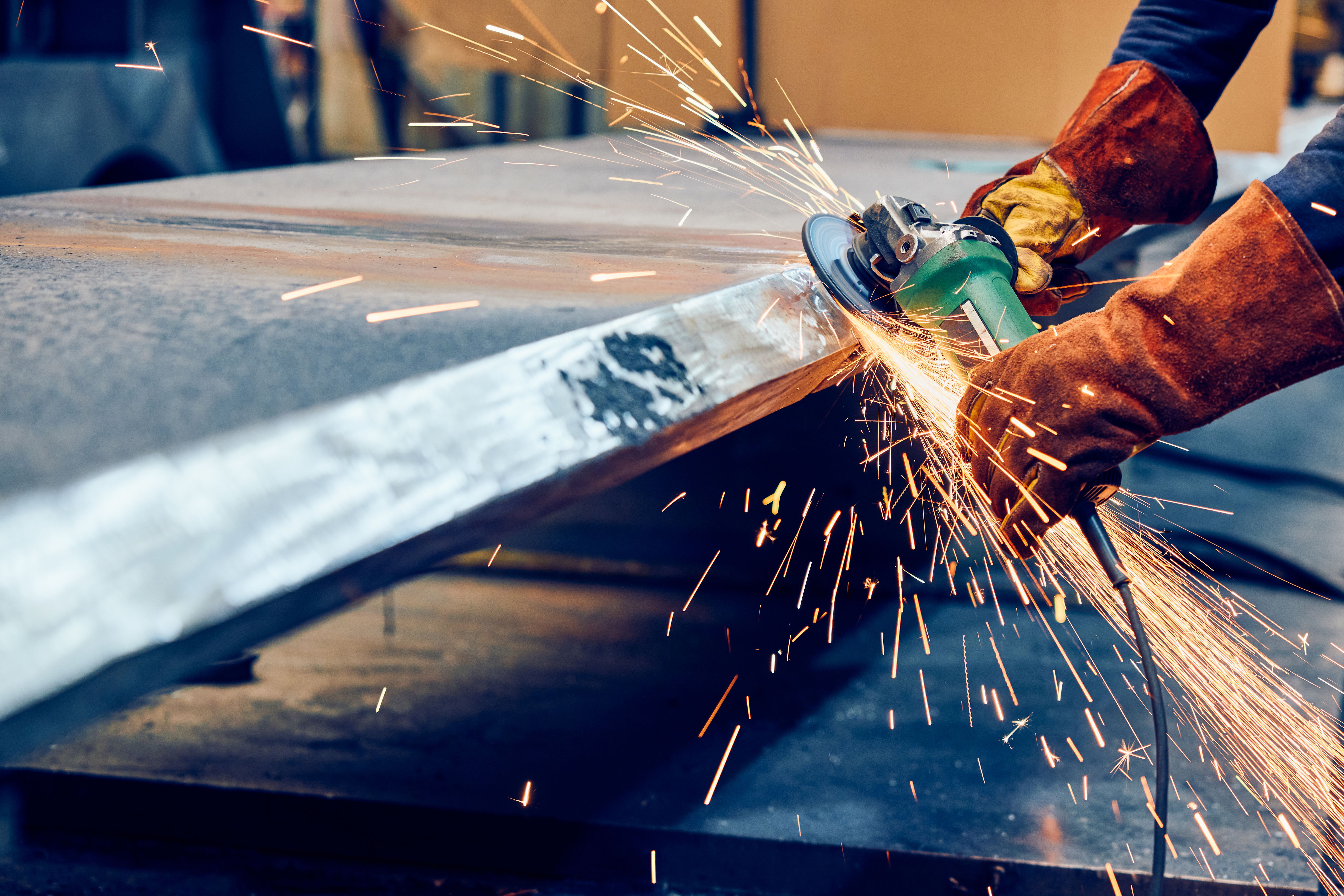
Metal fabrication is an energy-intensive process, requiring substantial amounts of electricity and fossil fuels. This leads to high levels of greenhouse gas emissions, contributing to climate change. In California, where environmental regulations are stringent, companies are increasingly seeking renewable energy sources to power their operations.
Reducing energy consumption and emissions involves adopting energy-efficient technologies and optimizing manufacturing processes. By investing in cleaner technologies, metal fabricators can significantly decrease their carbon footprint and align with California's ambitious climate goals.
Pollution and Waste Management
Another major environmental concern is the generation of waste and pollution. Metal fabrication processes produce various types of waste, including metal scraps, hazardous chemicals, and by-products. Proper disposal and recycling are crucial to prevent these materials from contaminating land and water resources.
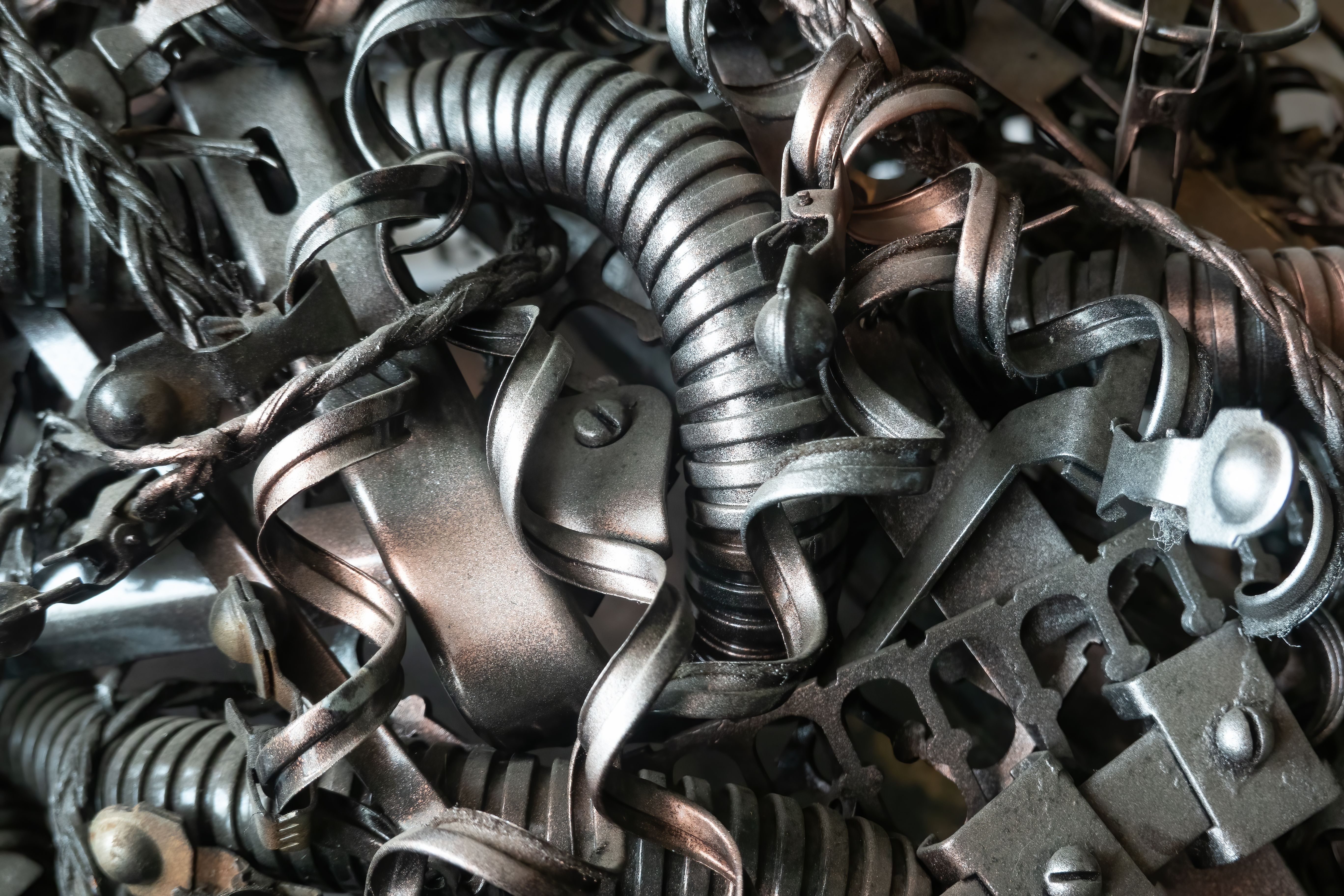
In California, regulations mandate strict waste management practices, encouraging companies to implement recycling programs and use environmentally friendly materials. By reducing waste, metal fabricators can not only comply with regulations but also reduce costs and enhance their reputation.
Water Usage and Pollution
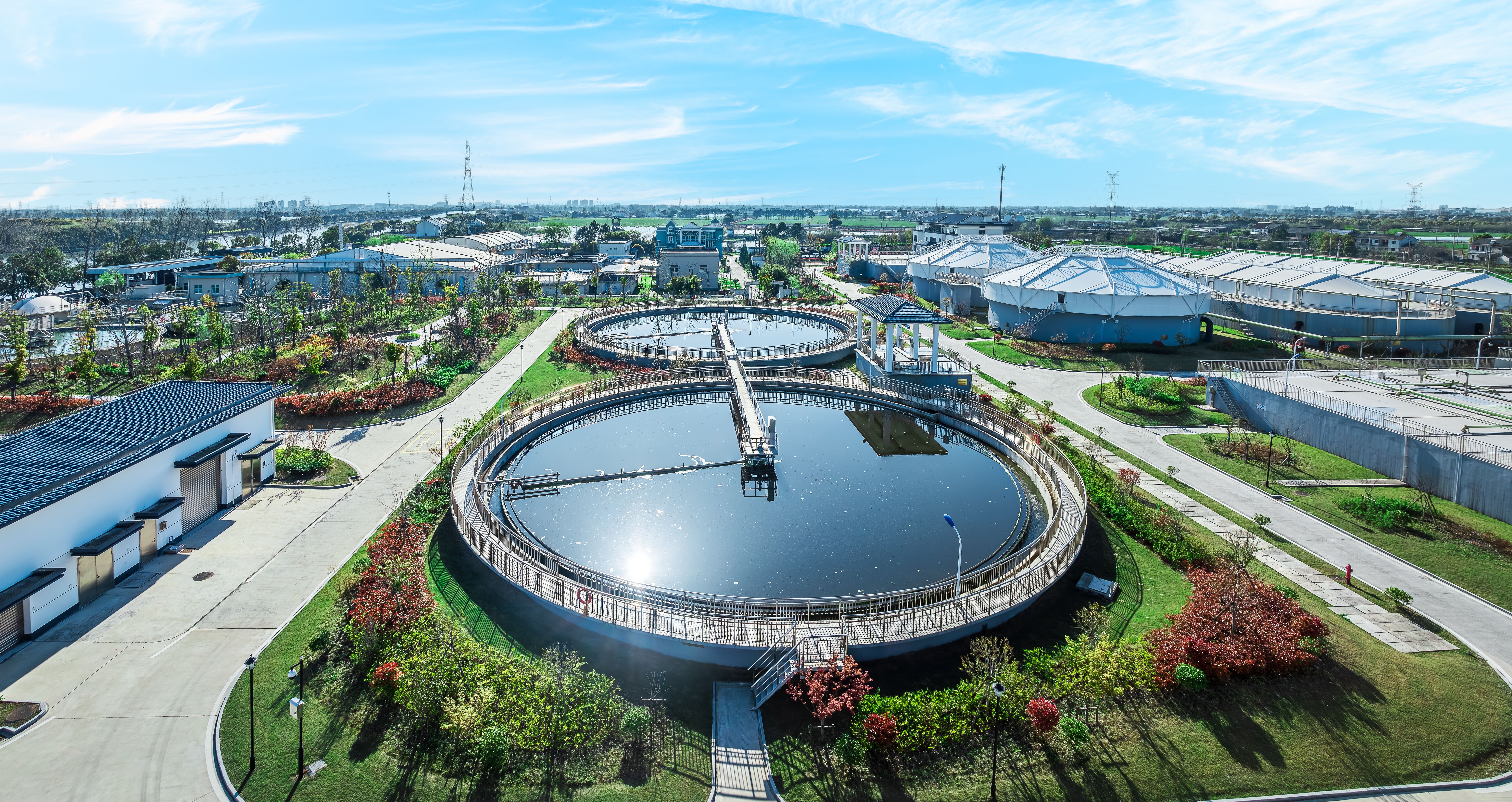
Water is a critical resource in metal fabrication, used for cooling, cleaning, and processing. Excessive water consumption and contamination pose significant environmental threats. In California, where water scarcity is a pressing issue, efficient water management practices are crucial.
Implementing water recycling systems and reducing water usage can help metal fabricators minimize their impact on local water supplies. Additionally, treating wastewater before discharge ensures that harmful pollutants do not enter natural water bodies.
Innovative Solutions and Sustainable Practices
To address these environmental challenges, many metal fabrication companies in California are adopting innovative solutions. Some are investing in advanced technologies like 3D printing and automation, which reduce waste and improve efficiency. Others are partnering with environmental organizations to develop sustainable practices.
- Investing in renewable energy sources
- Implementing closed-loop recycling systems
- Utilizing eco-friendly materials
- Engaging in community-driven environmental initiatives
Conclusion
Understanding the environmental impact of metal fabrication in California is essential for developing strategies that balance industrial growth with ecological sustainability. By embracing innovative technologies and adhering to stringent regulations, the industry can significantly reduce its environmental footprint.
As California continues to lead in environmental stewardship, metal fabrication companies have the opportunity to set an example for sustainable industrial practices across the nation. Through collaboration and commitment, the industry can thrive while preserving the environment for future generations.